
Views: 0 Author: Site Editor Publish Time: 2025-10-22 Origin: Site


In today’s world, personal safety is a growing concern, making body armour an essential topic for many. This guide aims to introduce beginners to the fundamentals of body armour, focusing on its various protection levels and types. Understanding these concepts is crucial for selecting the right gear to ensure safety in different environments. Whether you are a law enforcement officer, a security professional, or simply someone interested in personal protection, this guide will help you navigate the complexities of body armour and make informed decisions tailored to your needs.
Body armour refers to specially designed clothing or gear that protects the wearer from physical harm, such as bullets, knives, or shrapnel. Its main purpose is to absorb or deflect these threats, reducing injury or preventing penetration into vital areas like the chest and back. It’s important to understand that body armour is not bulletproof but bullet-resistant. This means it can stop certain types of ammunition under specific conditions, but no armour guarantees 100% protection against all threats.
There are two primary types of body armour: soft and hard.
● Soft Body Armour: Made from woven or laminated fibers like Kevlar or Dyneema, soft armour is flexible and lightweight. It’s designed mainly to stop handgun rounds and some shotgun pellets. Because of its comfort and concealability, it’s popular among police officers, security personnel, and civilians who want discreet protection.
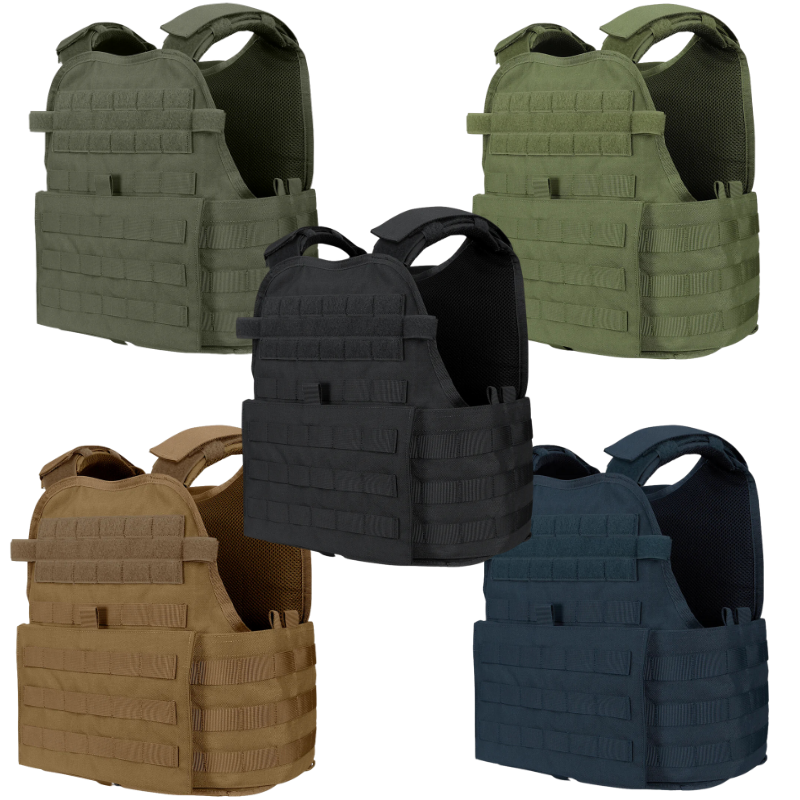
● Hard Body Armour: This type includes rigid plates made from materials such as ceramic, steel, or composite blends. Hard armour protects against higher-velocity rifle rounds that soft armour cannot stop. Usually worn in plate carriers or tactical vests, it’s heavier but offers superior protection, often used by military and tactical law enforcement units.
The effectiveness and weight of body armour depend largely on the materials used:
● Kevlar: A synthetic fiber known for its high strength-to-weight ratio. Kevlar is commonly used in soft armour for handgun protection. It’s flexible, lightweight, and durable.
● Dyneema: Another synthetic fiber, Dyneema is lighter and stronger than Kevlar. It offers excellent protection and comfort, often used in advanced soft armour panels.
● Ceramic Plates: Used in hard armour, ceramic plates can absorb and disperse the energy of high-velocity rifle rounds. They are lightweight but can crack under heavy impact.
● Steel Plates: Steel provides strong protection against rifle rounds but is heavier than ceramic or composite plates. It’s durable but can cause fatigue over extended wear.
● Composite Materials: These plates combine ceramics, polyethylene, and other fibers to balance protection, weight, and flexibility. They are common in modern tactical armour.
Choosing the right type and material of body armour depends on your specific threat level, comfort needs, and mobility requirements. Always consider these factors carefully before making a purchase.
When choosing body armour, knowing the National Institute of Justice (NIJ) protection levels is key. These levels classify armour based on the types of bullets and threats they can stop. The NIJ has set five main protection levels, each designed for specific threats.
Level IIA is the lightest and most flexible soft body armour. It protects against common handgun rounds like 9mm and .40 S&W at lower velocities. This level suits those who need mobility and comfort while facing low-level threats. Security personnel and civilians in safer areas often choose Level IIA. However, it won’t stop high-caliber bullets or rifle rounds.
Level II steps up protection from Level IIA. It can stop faster 9mm rounds and .357 Magnum bullets. Still lightweight, it balances concealability and coverage. Police officers in higher-risk urban settings often wear Level II armour. It’s a solid choice for handgun threats but doesn’t protect against rifles.
Level IIIA offers the highest soft armour protection. It blocks powerful handgun rounds like .44 Magnum and some shotgun pellets. This armour is bulkier and heavier than Level II but still flexible. Law enforcement in high-crime zones or VIP protection units commonly use Level IIIA. It’s excellent against handguns but not designed for rifle rounds.
Level III is the entry point for rifle protection and uses hard armour plates. It stops rifle rounds such as 7.62mm NATO and .308 Winchester. This level is heavier and less flexible but essential for military and tactical law enforcement. It offers protection against multiple hits and is ideal for combat or high-threat situations.
Level IV provides the highest protection level available. It can stop armor-piercing rifle rounds like the .30-06 M2 AP. This armour is heavy and rigid, often requiring additional support gear. Military personnel and security contractors facing extreme threats rely on Level IV. It offers the ultimate defense but sacrifices mobility and comfort.
Always match your body armour level to the threats you expect to face, balancing protection, weight, and comfort for your unique situation.
Hard body armour uses rigid plates made from materials like ceramic, steel, or composite blends. These plates provide strong protection against high-velocity rifle rounds that soft armour cannot stop. Hard armour is heavier and bulkier, often worn in plate carriers or tactical vests. It is designed to absorb and disperse the energy of powerful projectiles, preventing penetration. Because of its rigidity, it offers excellent multi-hit capability, making it essential for military personnel and tactical law enforcement units operating in high-threat environments.
Key features of hard body armour include:
● Protection against rifle rounds and armor-piercing bullets
● Usually constructed from ceramic, steel, or composite materials
● Heavier and less flexible than soft armour
● Often used with plate carriers or tactical vests
● Provides multi-hit protection
● Essential in combat or high-risk situations
Soft body armour consists of flexible panels made from woven or laminated fibers such as Kevlar or Dyneema. It is designed primarily to stop handgun rounds and some shotgun pellets. Soft armour is lightweight, comfortable, and easy to conceal under clothing, making it popular among police officers, security personnel, and civilians seeking discreet protection.
Soft armour features include:
● Protection against most handgun rounds
● Lightweight and flexible for comfort
● Concealable under everyday clothing
● Made from synthetic fibers like Kevlar or Dyneema
● Not suitable for stopping high-velocity rifle rounds
● Ideal for low to moderate threat environments
Choosing between hard and soft body armour depends on the threat level, comfort needs, and intended use.
● Soft Armour: Best for everyday wear, especially when facing handgun threats. Suitable for law enforcement officers on patrol, security guards, and civilians in lower-risk areas. It offers a good balance of protection, comfort, and concealability.
● Hard Armour: Necessary in situations where rifle threats exist, such as military combat, tactical law enforcement operations, or high-risk security roles. While heavier and less comfortable, it provides essential protection against high-velocity rounds and armor-piercing bullets.
Some users combine both types by wearing soft armour panels with hard plates inserted in carriers. This setup allows protection against a wider range of threats while maintaining some level of comfort and mobility.
Always assess your specific risk environment before selecting hard or soft armour, ensuring you balance protection level, comfort, and mobility according to your needs.
Choosing body armour starts with understanding the threats you might face. Different environments and roles expose you to varied risks. For example, a security guard in a mall usually faces lower threats than a military soldier in combat. Assess the types of weapons and ammunition common in your area or job. Handgun threats call for soft armour rated at Level IIA, II, or IIIA. If rifles are a concern, hard armour rated Level III or IV is necessary. Consider potential future risks too—your protection should match the highest likely threat, not just current conditions.
Protection is vital, but comfort matters just as much. Wearing heavy armour for long hours can cause fatigue and reduce effectiveness. Soft armour tends to be lighter and more flexible, making it easier to wear all day. Hard armour offers more protection but weighs more and restricts movement. Choose armour that fits your body well and allows you to perform tasks without discomfort. Remember, armour you won’t wear is no protection at all. Look for features like adjustable straps and breathable materials to enhance comfort.
How much you move and whether you need to stay discreet affects your armour choice. If you require high mobility—such as law enforcement officers on patrol or security personnel—lighter soft armour may be best. It allows quick movement and can be worn under clothing. Hard plates add bulk and can slow you down, but are essential for high-risk situations. Concealability is also key for undercover work or civilian use. Soft armour is easier to hide under regular clothes, while hard armour is often visible. Decide what balance of visibility and protection suits your role.
Always match your body armour choice to your specific threat environment and daily activity level to ensure you stay protected without sacrificing comfort or mobility.
Many people believe body armour is completely bulletproof, but this is not true. Body armour is bullet-resistant, meaning it can stop certain bullets under specific conditions. No armour can guarantee 100% protection against all types of ammunition or shots fired at close range or unusual angles. The effectiveness depends on the armour’s protection level and the type of threat it’s designed to stop. For example, soft body armour rated Level IIIA can stop most handgun rounds but won’t stop rifle bullets. Hard armour rated Level IV can stop armor-piercing rounds but is heavier and less flexible. Understanding this helps set realistic expectations and encourages choosing the right armour for specific threats.
Another common myth is that all body armour is bulky and uncomfortable. While some hard armour plates are heavy, many modern soft body armour options are lightweight and flexible. Materials like Kevlar and Dyneema allow for comfortable wear over long periods. Advances in design have improved breathability and fit, making soft armour easy to conceal under clothing. Even some hard plates use composite materials that reduce weight without sacrificing protection. Comfort depends on selecting the right type and size for your needs. For everyday use, soft armour offers a good balance of protection and comfort, especially for those who need mobility and discretion.
People often think that the highest protection level is always the best choice. However, higher levels mean heavier and less comfortable armour, which might reduce mobility and increase fatigue. Not everyone needs Level IV armour designed for armor-piercing rifle rounds. Many face handgun threats where Level IIIA or Level II armour is sufficient. Choosing unnecessarily high protection can lead to discomfort and reluctance to wear the armour consistently. The key is to match the armour level to the actual threat environment. This balance ensures adequate safety without compromising daily function or comfort.
Always match your body armour choice to the specific threats and conditions you expect, balancing protection, comfort, and mobility for effective daily use.
Storing body armour correctly helps maintain its protective qualities and extends its lifespan. Always keep your armour in a cool, dry place away from direct sunlight, heat sources, or moisture. Excessive heat and humidity can degrade the fibers and materials, reducing effectiveness. Avoid folding or compressing soft armour panels, as creases may weaken the fibers. Hard plates should be stored flat or upright to prevent warping or damage. Use the original carrying case or a dedicated storage bag when possible to protect from dust and accidental impacts.
Regularly inspect your body armour for signs of wear, damage, or deterioration. Look for tears, frayed edges, or punctures in soft panels. Check hard plates for cracks, chips, or dents that may compromise protection. Clean your armour according to manufacturer instructions—usually by wiping down hard plates with a damp cloth and hand-washing soft panels with mild soap and water. Avoid harsh chemicals, machine washing, or drying, which can damage materials. Also, inspect straps, carriers, and fasteners to ensure they remain secure and functional.
Body armour doesn’t last forever. Most manufacturers recommend replacing soft armour every 5 years, even if it appears undamaged, because materials degrade over time. Hard plates can last longer but should be replaced immediately if they show any cracks or significant damage. Also, replace armour after it absorbs a bullet or suffers any trauma, as its protective ability is compromised. Keep track of purchase dates and inspection results to stay on top of replacement schedules. Using expired or damaged armour puts you at risk.
Schedule regular inspections and maintain a replacement log to ensure your body armour stays reliable and effective over time.
Understanding body armour protection levels is crucial for choosing the right gear to match potential threats. Body armour is not bulletproof but bullet-resistant, with soft and hard types offering varying levels of protection. Knowing the NIJ protection levels helps in selecting appropriate armour for specific threats. ULTRA SAFE provides high-quality body armour, ensuring safety and comfort. Their products are designed to meet diverse needs, offering reliable protection and peace of mind. Make informed decisions to balance protection and comfort effectively.
A: Body armour is protective clothing designed to absorb or deflect physical threats like bullets and knives, reducing injury risk.
A: Soft body armour is lightweight and flexible, ideal for stopping handgun rounds, while hard body armour uses rigid plates to stop high-velocity rifle rounds.
A: Knowing NIJ protection levels helps you choose the right body armour based on the specific threats you expect to face.
A: Store body armour in a cool, dry place, inspect regularly for damage, and clean according to manufacturer guidelines to ensure longevity.


