
Views: 0 Author: Site Editor Publish Time: 2025-10-22 Origin: Site


Choosing the right helmet can be a life-saving decision. Do you know the difference between a ballistic helmet and a bump helmet? Understanding these differences is crucial for safety and performance. In this post, you'll learn about the features, uses, and protection levels of each helmet type.
A bump helmet is a type of protective headgear designed primarily to guard against blunt impacts rather than ballistic threats. Unlike ballistic helmets, bump helmets do not stop bullets or shrapnel. Instead, they protect the wearer from bumps, falls, and debris, making them ideal for non-combat environments. These helmets often feature a sleek, tactical design with mounting points for accessories such as night vision goggles, communication devices, and cameras, providing versatility without the extra weight of ballistic protection.
Bump helmets are widely used in scenarios where ballistic threats are minimal or non-existent but head protection against impacts remains essential. Common users include:
● Military personnel during training exercises, where live fire is not involved.
● Emergency Medical Services (EMS) workers who need lightweight yet sturdy head protection.
● Search and rescue teams operating in rugged environments.
● Outdoor enthusiasts engaged in activities like climbing, caving, or mountain biking.
● Workers in confined spaces or industrial settings where falling objects or accidental bumps pose risks.
Their adaptability and comfort make bump helmets a practical choice for these roles.
Typically, bump helmets are constructed from Acrylonitrile Butadiene Styrene (ABS) plastic, a material known for its balance of strength, durability, and light weight. Some higher-end models use carbon fiber shells, offering increased strength and reduced weight but at a higher cost. The design often includes ventilation holes for airflow, enhancing comfort during extended wear—a feature less common in ballistic helmets due to their protective layering requirements.
Inside, bump helmets usually incorporate adjustable padding systems to ensure a snug fit, which helps absorb shocks from impacts. The outer shell is designed to distribute force evenly, reducing the risk of injury from blunt trauma.
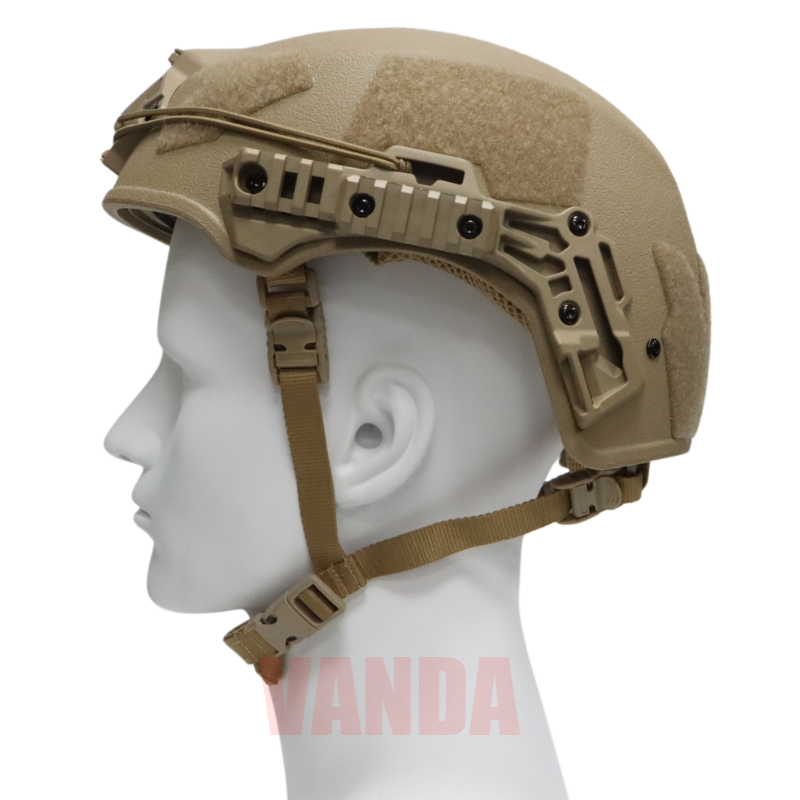
A ballistic helmet, often called a tactical or bulletproof helmet, is designed to protect the wearer from bullets, shrapnel, and other high-velocity projectiles. Unlike bump helmets, ballistic helmets offer life-saving defense in combat or high-risk situations. They feature a robust construction that balances protection and usability, often including padding and suspension systems to reduce impact forces and improve comfort during extended wear.
These helmets usually have a sleek, tactical design similar to bump helmets but are heavier due to their protective layers. They also come equipped with mounting points for accessories like night vision goggles (NVG), communication devices, and face shields, allowing users to customize their gear for specific missions.
Ballistic helmets are primarily used by military personnel, law enforcement officers, and security teams operating in environments where gunfire or explosive threats exist. Their key applications include:
● Combat operations where ballistic threats are present.
● Tactical law enforcement missions requiring bullet resistance.
● Security details protecting high-value targets.
● Situations involving potential exposure to shrapnel or fragmentation.
● Training exercises simulating combat conditions.
In these contexts, ballistic helmets provide essential protection that bump helmets cannot offer, making them indispensable for personnel facing real ballistic risks.
Ballistic helmets are constructed from advanced materials engineered to stop bullets and fragments. Common materials include:
● Aramid fibers (e.g., Kevlar): Lightweight, strong fibers that absorb and disperse ballistic energy.
● Ultra High Molecular Weight Polyethylene (UHMWPE): A durable, lightweight plastic offering excellent ballistic resistance.
● Composite materials: Some helmets use layers combining aramid and polyethylene for enhanced protection.
The helmet shell is layered to absorb and dissipate the energy from ballistic impacts, reducing penetration and blunt force trauma. Inside, padding systems and suspension setups improve fit and comfort, distributing weight evenly and minimizing fatigue.
Design-wise, ballistic helmets often include:
● Integrated rails and mounts: For attaching tactical gear like NVGs, cameras, or communication headsets.
● Chin straps and retention systems: To secure the helmet firmly during movement.
● Optional visors or face shields: For added ballistic or environmental protection.
Though heavier than bump helmets, ballistic helmets strive to maintain a balance between protection and mobility.
Bump helmets are designed mainly to protect against blunt force impacts. They absorb shocks from falls, bumps, or hitting hard surfaces. Their shells, often made from ABS plastic or carbon fiber, distribute the force over a wider area, reducing injury risk. However, bump helmets do not stop bullets or shrapnel—they are not bulletproof.
These helmets meet various safety standards depending on their use, such as ASTM for skateboarding or ANSI for industrial work. This means they’re tested for impact resistance relevant to their intended environment. For example, a climbing helmet must withstand falling rock impacts, while a helmet for industrial workers resists impacts from falling tools.
Ballistic helmets provide protection against high-velocity projectiles like bullets and fragments. They are built with advanced materials such as Kevlar or Ultra High Molecular Weight Polyethylene (UHMWPE). These materials absorb and disperse the energy from bullets, preventing penetration and reducing blunt trauma.
Ballistic helmets undergo rigorous testing to meet standards like the NIJ Level IIIA, which certifies protection against most handgun rounds and some fragmentation. Some helmets may also offer additional protection against rifle rounds, though these are rarer due to technical challenges like backface deformation—the helmet bulging inward on impact.
Both helmet types follow specific standards, but these differ greatly due to their purposes.
● Bump Helmets: Tested under diverse standards based on activity, such as ASTM F1492 for skateboarding or EN 12492 for mountaineering. These tests focus on impact absorption and penetration resistance from blunt objects.
● Ballistic Helmets: Rated primarily by ballistic standards like the National Institute of Justice (NIJ) levels. Level IIIA is common, ensuring protection against most handgun threats. The testing involves shooting helmets with specified rounds to confirm resistance.
Understanding these ratings helps users select the right helmet. For example, if you need protection from falling debris but no bullet risk, a bump helmet meeting ANSI or ASTM standards suffices. If facing gunfire or shrapnel, only a ballistic helmet with NIJ certification offers reliable defense.
One of the most noticeable differences between bump helmets and ballistic helmets is their weight. Bump helmets are generally much lighter. This is because they are made from materials like ABS plastic or carbon fiber, designed mainly to protect against impacts rather than bullets. Their lighter weight makes them ideal for long periods of wear, especially in non-combat or training environments.
Ballistic helmets, on the other hand, are heavier due to their multiple layers of ballistic materials such as Kevlar or UHMWPE. These materials provide critical protection against bullets and shrapnel but add to the helmet's overall weight. While heavier, modern ballistic helmets are engineered to balance protection and comfort, but they still weigh more than bump helmets.
Ventilation plays a big role in helmet comfort. Bump helmets often include ventilation holes or channels to allow airflow, helping to keep the wearer cool during extended use. This feature is common because bump helmets don’t require thick ballistic layers that block airflow.
Ballistic helmets usually have less ventilation due to their layered construction. This can cause heat buildup during prolonged wear. To offset this, many ballistic helmets come with adjustable padding and suspension systems to improve comfort and fit. These systems also help distribute the helmet’s weight evenly across the head, reducing pressure points.
Adjustability is important for both helmet types. Bump helmets typically have adjustable straps and padding to ensure a snug fit, preventing shifting during activity. Ballistic helmets also feature adjustable retention systems, including chin straps and internal suspension, to secure the helmet firmly. A proper fit is crucial for safety and comfort, especially in dynamic situations.
Fitting a bump helmet is relatively straightforward. The helmet should sit level on your head, covering the forehead without obstructing your vision. Straps should be snug but comfortable, allowing no more than two fingers’ width between the strap and your chin. Adjust the internal padding to eliminate gaps and prevent movement.
Ballistic helmets require a more precise fit due to their protective role. The helmet must be tight enough to prevent wobbling but not so tight that it causes discomfort or restricts movement. A good test is tightening the chin strap so that you cannot fit more than two fingers between your chin and the strap. The helmet should not shift when you shake your head vigorously. Many manufacturers provide sizing charts—measure your head circumference carefully before purchasing.
Both helmet types benefit from trying on different sizes and brands to find the best fit. Remember, an ill-fitting helmet can reduce protection and cause fatigue.
Bump helmets are designed to be versatile, allowing users to attach various tactical accessories easily. Common accessories include:
● Night Vision Goggle (NVG) mounts: These allow users to attach night vision devices for low-light operations.
● Communication headsets: Integrated or clip-on systems help maintain clear communication during missions or training.
● Helmet cameras: Small action cameras or recording devices can be mounted for documentation or training review.
● Rail systems: Side rails provide attachment points for lights, visors, or other tactical gear.
● Counterweights: Sometimes added to balance the helmet when heavy front-mounted accessories are used.
These accessories enhance the helmet's functionality without adding much weight, making bump helmets popular for non-ballistic tactical roles.
Ballistic helmets also support many of the same accessories but often include additional options tailored for combat and high-risk environments:
● NVG mounts: Like bump helmets, these allow night vision devices to be securely attached.
● Advanced communication systems: Integrated comms with noise cancellation and radio connectivity are common.
● Visors and face shields: Some ballistic helmets offer ballistic or anti-fog visors for extra face protection.
● Helmet covers and camouflage: Designed to reduce visibility and protect the helmet surface.
● Rail-mounted accessories: Lights, cameras, and other tactical gear can be attached via robust rail systems.
● Ballistic mandibles or chin guards: Provide added protection for the lower face area.
These accessories focus not only on operational efficiency but also on increasing protection and survivability in combat scenarios.
Both bump and ballistic helmets offer extensive customization options to fit user preferences and mission needs:
● Modular rails: Allow switching or adding accessories quickly.
● Padding and suspension systems: Customizable for comfort and fit.
● Helmet covers: Available in various colors and patterns to match environments.
● Mounting adapters: Enable compatibility with different brands or types of accessories.
● DIY modifications: Users sometimes add personalized camo, patches, or other gear for identification or aesthetic reasons.
This adaptability makes tactical helmets highly flexible, letting users tailor their gear for specific tasks without compromising protection or comfort.
Bump helmets usually come at a much lower price than ballistic helmets. Most models range from about $100 to $300. However, some high-end bump helmets made from carbon fiber or specialized materials can cost up to $700. The price reflects materials, design features, and brand reputation.
For many users, bump helmets offer a cost-effective way to get reliable impact protection without breaking the bank. They’re popular for training, rescue missions, and recreational activities where bullet resistance isn’t needed. Still, it's important to avoid very cheap helmets that don’t meet safety standards, as these can compromise protection.
Ballistic helmets are significantly more expensive due to the advanced materials and complex manufacturing processes involved. Entry-level ballistic helmets start around $600, but premium models can cost $1,500 to over $3,000. The price depends on factors like ballistic rating, weight, comfort features, and accessory compatibility.
This higher cost reflects the life-saving protection ballistic helmets provide against bullets and shrapnel. Investing in a quality ballistic helmet is essential for personnel facing real combat or tactical threats. Cutting corners on price can mean risking inadequate protection, which is not worth the savings.
When deciding between bump and ballistic helmets, consider the trade-off between cost and protection. Bump helmets offer excellent value for impact protection and accessory compatibility at a lower price. They suit users who don’t expect ballistic threats but need reliable head protection.
Ballistic helmets provide unmatched protection but come at a premium. The investment is justified for anyone exposed to gunfire or explosive hazards. Comfort and additional features also factor into the cost, but protection should remain the priority.
Ultimately, your budget should align with your protection needs. For example, if your role involves live fire or high-risk security, a ballistic helmet is a necessity despite the higher price. If you need a helmet for training or non-combat tasks, a bump helmet offers a practical and affordable solution.
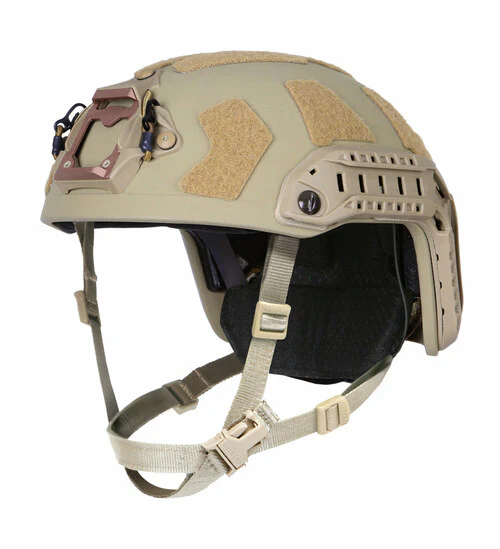
When picking between a bump helmet and a ballistic helmet, start by asking yourself what you really need protection from. If your environment involves risks like blunt impacts, falls, or debris but no gunfire, a bump helmet is usually enough. These helmets offer solid impact protection and allow you to mount accessories for communication or night vision.
If you expect to face ballistic threats—like bullets or shrapnel—a ballistic helmet is the only safe choice. It provides life-saving protection designed to stop high-velocity projectiles. Consider your daily activities, mission types, or work environment carefully. Military personnel, law enforcement, and security teams often need ballistic helmets, while rescue workers or training participants may prefer bump helmets.
Protection is crucial, but comfort affects how long you can wear your helmet effectively. Bump helmets are lighter and usually have better ventilation, making them comfortable for extended use. This is important during long training sessions or physically demanding tasks.
Ballistic helmets weigh more due to their protective layers, which can cause fatigue over time. However, many modern ballistic helmets include adjustable padding, suspension systems, and ergonomic designs to improve comfort. Finding the right balance means choosing a helmet that offers sufficient protection without compromising mobility or causing discomfort.
To decide wisely, compare the protection level, comfort features, and price against your needs and budget. Here are some steps to help:
● Identify threats: Are ballistic threats likely? If yes, choose ballistic helmets.
● Consider activity duration: For long wear, comfort and ventilation matter.
● Check helmet fit: A secure, snug fit boosts protection and comfort.
● Evaluate accessories: Ensure compatibility with gear you need.
● Set a budget: Remember, quality protection often costs more but is worth it.
Trying on helmets and consulting sizing charts reduces guesswork. Also, verify safety certifications to ensure the helmet meets recognized standards.
Tip: Always match helmet choice to your threat level and activity type to ensure you get the right protection without unnecessary weight or cost.
Bump helmets provide lightweight impact protection, ideal for non-ballistic environments, while ballistic helmets offer critical defense against high-velocity threats. Choosing the right helmet involves assessing your specific needs, balancing protection with comfort, and making an informed decision. Carefully evaluate your environment and threat level to select the appropriate helmet. ULTRA SAFE offers advanced helmets that combine protection, comfort, and accessory compatibility, ensuring you receive maximum value for your investment.
A: A ballistic helmet is used to protect against bullets, shrapnel, and high-velocity projectiles, making it essential for military and law enforcement.
A: A bump helmet protects against blunt impacts and is lighter, while a ballistic helmet offers bullet resistance but is heavier.
A: Ballistic helmets use advanced materials for bullet resistance, increasing production costs compared to bump helmets designed for impact protection.


