
Views: 0 Author: Site Editor Publish Time: 2025-10-22 Origin: Site


Choosing the right ballistic helmet for tactical use is essential for ensuring safety and operational efficiency in high-risk environments. With various threats ranging from handgun fire to shrapnel, understanding your specific protection needs is the first step in making an informed decision. This guide will help you assess your requirements, evaluate helmet types and materials, and consider factors like fit, comfort, and functionality, ultimately leading you to the best helmet suited for your tactical role.
Choosing the right ballistic helmet starts with understanding your specific protection needs. This step is crucial because the right helmet depends on the threats you expect and the environment where you operate.
First, consider the types of threats you might face. Different situations expose you to different risks. For example, law enforcement officers patrolling urban areas might encounter handgun threats or blunt force impacts. Military personnel in combat zones may face rifle fire or shrapnel. Understanding these threats helps you pick a helmet with the right protection level.
Think about the operational environment too. Urban settings may involve close-quarters combat and require helmets that allow good visibility and communication. Rural or battlefield environments might demand helmets with more coverage and durability against harsh weather or debris.
Review local crime statistics, past incidents, or mission profiles to estimate the most likely threats. This analysis guides you to helmets tested against relevant ballistic threats.
Protection is vital, but so is comfort. You might wear your helmet for hours, so it must fit well and not weigh you down. A heavy or poorly fitting helmet can cause neck strain and reduce your focus.
Measure your head circumference accurately, and consider your head shape. Check if the helmet's weight distribution feels balanced. Padding quality and adjustability matter too. A helmet with good ventilation and moisture-wicking liners will keep you comfortable during long missions.
Remember, a helmet that fits well stays secure during movement, maintaining protection. Also, consider how it integrates with other gear like communication headsets or night vision devices.
● Identify expected projectile types and velocities
● Assess typical engagement distances
● Analyze operational environment challenges
● Measure head size and shape for proper fit
● Determine acceptable helmet weight and comfort levels
By carefully assessing these factors, you can narrow down helmet options that offer both the protection and comfort you need for your tactical role.
Always match your helmet's protection level to the specific threats and environment you face to ensure maximum safety and operational efficiency.
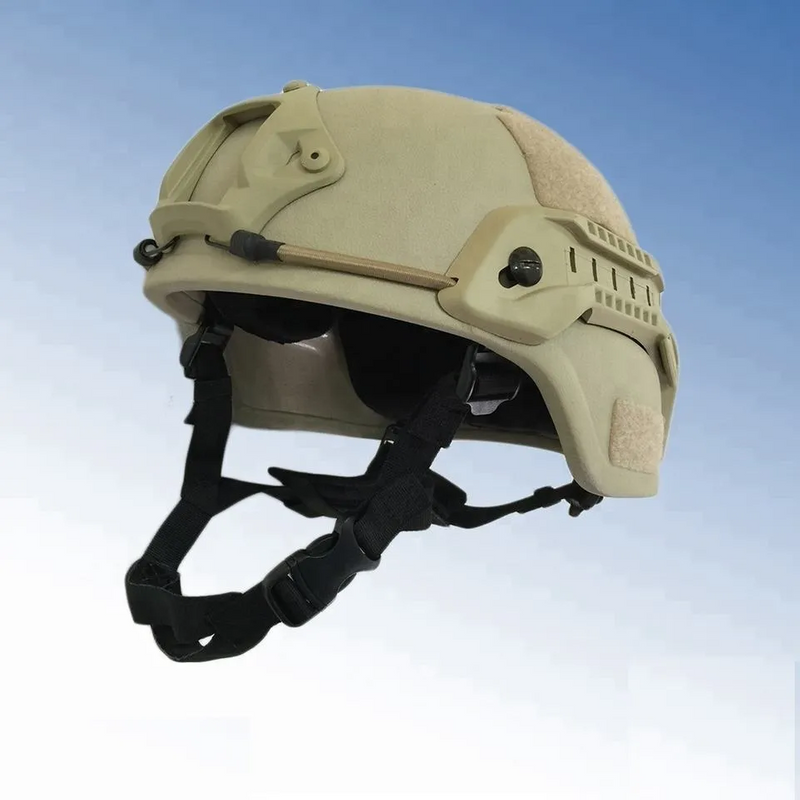
Ballistic helmets come in different types, mainly distinguished by the materials used in their construction. The material affects weight, durability, and protection level, so understanding these differences is key.
● Aramid Fibers (e.g., Kevlar): These fibers are strong and provide solid protection against pistol rounds and some rifle threats. Helmets made from aramid fibers are moderately heavy but very reliable.
● Ultra-High-Molecular-Weight Polyethylene (UHMWPE): This is a lightweight synthetic material offering excellent ballistic resistance, especially against handgun threats. Helmets built with UHMWPE are lighter, which reduces fatigue during long missions.
● Advanced Composite Materials: These combine different fibers and resins to optimize protection and durability. They tend to be heavier but can stop higher-velocity rounds and provide robust protection.
Choosing the right material depends on balancing protection needs and comfort. For example, if you expect to face rifle fire, advanced composites might be best. If you need to wear the helmet for extended periods, lightweight UHMWPE helmets offer better comfort.
The National Institute of Justice (NIJ) sets ballistic protection standards that help you compare helmets objectively. However, note that the NIJ standard for helmets is older and less commonly updated, so many manufacturers test helmets using body armor standards instead.
Protection levels are typically indicated as:
● Level IIIA: Protects against most handgun rounds and some fragmentation. This is the most common rating for tactical helmets.
● Higher Levels: Some helmets are tested against rifle rounds, but these are less common and often heavier.
When you see a helmet labeled as "NIJ Level IIIA," it means it was tested to withstand threats similar to those body armor levels protect against, not that it has an official NIJ helmet certification. Always verify the test results and certifications provided by the manufacturer.
Besides ballistic resistance, consider other factors like:
● Weight and balance
● Compatibility with tactical gear (night vision, communications)
● Durability under environmental stress
By understanding materials and standards, you make an informed choice that matches your tactical needs and operational environment.
When researching helmets, prioritize those made from materials that balance your required protection level and comfort, and verify their ballistic ratings through manufacturer test data rather than relying solely on NIJ labels.
A ballistic helmet’s fit is critical for safety. If it’s too loose, it can shift during movement, exposing your head to injury. Too tight, and it causes discomfort, distracting you or causing headaches. The helmet must sit level on your head, covering key areas like the forehead, temples, and back of the skull.
Measure your head circumference about an inch above the eyebrows using a tape measure. This helps pick the right helmet size. But size alone isn’t enough—consider head shape and how the helmet interacts with your gear. For example, if you wear communication headsets or night vision goggles, the helmet must fit snugly without interfering.
When trying on helmets, shake your head side to side and nod up and down. A properly fitted helmet moves no more than 1-2 finger widths. This ensures it stays secure during rapid movements or sudden impacts.
Remember, a helmet that fits well maintains its protective position, reducing the risk of injury from ballistic threats or blunt force trauma.
Comfort directly affects how long you can wear a helmet without fatigue or distraction. Look for helmets with adjustable suspension systems. These allow you to customize the fit, making the helmet feel like a natural extension of your body.
Padding quality matters too. High-density foam pads absorb impact and reduce pressure points. Some helmets feature removable, washable liners that wick moisture and improve ventilation. This keeps you cool during long missions or in hot environments.
Weight distribution is another key factor. A lightweight helmet balanced evenly reduces neck strain. Materials like ultra-high-molecular-weight polyethylene (UHMWPE) offer excellent protection at a lower weight compared to traditional Kevlar.
The chinstrap system should secure the helmet firmly but comfortably. It must prevent shifting without causing chafing or restricting blood flow. Quick-release buckles add convenience for rapid donning and removal.
Try wearing the helmet with your full tactical gear. Check if it interferes with your body armor, eye protection, or communication devices. A helmet that integrates smoothly with your setup enhances operational effectiveness and comfort.
Always test ballistic helmets by wearing them during typical movements and gear setups to ensure a secure fit and long-lasting comfort in real-world conditions.
When comparing ballistic helmets, the materials used and how the weight is distributed matter a lot. Advanced materials like ultra-high-molecular-weight polyethylene (UHMWPE) offer strong protection while keeping helmets lightweight. This helps reduce neck strain during long missions.
Some helmets mix materials—like Kevlar combined with composites—to balance protection and comfort. The goal is to have a helmet that protects well but doesn’t weigh you down or feel unbalanced. Uneven weight can cause fatigue and distract you during critical moments.
Look for helmets designed with ergonomic weight distribution. These helmets spread the load evenly across the head, minimizing pressure points. A well-balanced helmet stays secure and comfortable, even during rapid movements or extended wear.
Modern tactical helmets often come with mounting options for essential gear. These include rails, shrouds, and Velcro patches to attach night vision goggles, communication headsets, cameras, or lights.
Check if the helmet supports your mission-specific equipment. For example, night vision mounts should be sturdy and easy to adjust. Communication headset compatibility ensures clear audio without compromising helmet fit.
Some helmets feature modular mounting systems, allowing quick customization. This flexibility is crucial when switching between different operational needs. Also, consider how easy it is to install or remove attachments in the field.
Ventilation and quick-release systems are additional features that improve helmet functionality. Good airflow prevents overheating, and quick-release buckles allow fast removal in emergencies.
● Confirm helmet material type and its impact on weight
● Assess weight distribution for balanced comfort
● Verify compatibility with night vision and communication gear
● Check presence and quality of mounting rails and shrouds
● Evaluate additional functional features like ventilation and quick-release
● Ensure modularity for customization based on mission needs
Choosing a helmet with the right features and functionality ensures you stay protected and operationally effective. The best helmets seamlessly integrate protection, comfort, and tactical gear compatibility.
Prioritize helmets with balanced weight distribution and versatile mounting systems to enhance comfort and gear integration during tactical operations.
Testing a ballistic helmet’s quality starts with a close visual and tactile inspection. Look carefully for any visible defects like cracks, uneven surfaces, or weak spots on the shell. These flaws can reduce the helmet’s ability to absorb impact or stop bullets. Run your fingers over the helmet’s surface to check for rough patches or delamination—where layers separate—especially around seams and edges.
Inspect the interior padding and suspension system too. The padding should be intact, evenly distributed, and securely attached. Loose or degraded padding can compromise comfort and protection. Check that straps, buckles, and mounting points are firmly fixed and operate smoothly. Any hardware that feels flimsy or shows signs of corrosion may fail under stress.
Also, verify the helmet’s label and certification markings. Authentic helmets will have clear manufacturer information, model numbers, and test certifications. Be cautious if labels are missing, faded, or look tampered with, as this might indicate counterfeit or substandard products.
Durability means the helmet can withstand rough use and still protect you. Test how it holds up under typical operational stresses. Gently shake the helmet while wearing it to confirm it stays secure without shifting excessively. This simulates real movement during tactical operations.
Consider environmental resilience as well. Ballistic helmets often face extreme temperatures, moisture, and dirt. Check if the helmet’s materials resist cracking or warping in hot or cold conditions. Look for coatings that repel water and resist UV damage. Some helmets come with corrosion-resistant hardware, which is important in humid or salty environments.
If possible, review manufacturer data on environmental testing. High-quality helmets undergo tests for heat, cold, humidity, and chemical exposure to ensure they maintain ballistic protection after harsh conditions. This information is vital for missions in diverse climates.
● No visible cracks, dents, or delamination on the helmet shell
● Interior padding is intact, well-placed, and securely attached
● Straps, buckles, and mounts are sturdy and functional
● Authentic manufacturer labels and certification marks present
● Helmet remains stable during movement simulations
● Materials resist environmental stress like moisture, heat, and UV exposure
● Manufacturer provides data on durability and environmental testing
By thoroughly testing for quality and durability, you ensure your ballistic helmet will perform reliably when it matters most. Skipping this step can leave you vulnerable to failure in critical moments.
Always perform hands-on inspections and verify manufacturer durability claims before purchasing to guarantee your ballistic helmet meets real-world operational demands.
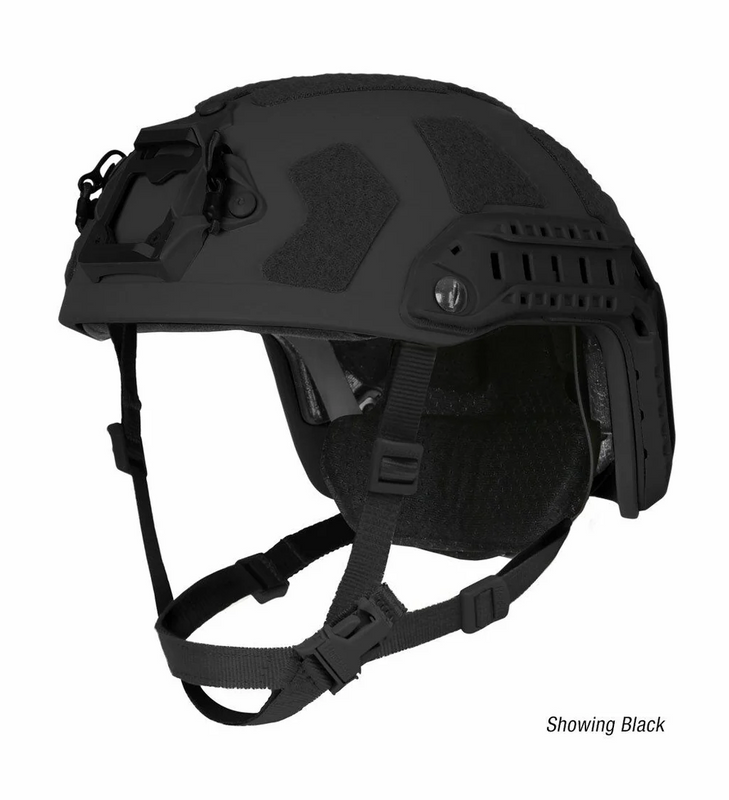
Choosing a ballistic helmet means trusting the maker behind it. A reputable manufacturer has a proven history of producing reliable, high-quality helmets. Look for brands known in the tactical community and those endorsed by military or law enforcement agencies. These endorsements often indicate rigorous testing and real-world performance.
Check for certifications that prove the helmet meets recognized standards. While the NIJ helmet standard is outdated, many manufacturers test their helmets against NIJ body armor standards like Level IIIA. Ask for detailed test results or certificates from independent labs to verify claims. Transparency in testing builds confidence that the helmet will perform as promised.
Warranty and customer support are also important. A strong warranty shows the manufacturer stands behind their product. Good customer service helps if you need replacements, repairs, or advice. Avoid manufacturers with limited or unclear policies, as this could indicate lower product quality or poor after-sales support.
Price matters, but don’t let it be the only deciding factor. A ballistic helmet is an investment in your safety. Cheaper helmets might save money upfront but could lack durability, comfort, or adequate protection. On the other hand, the most expensive models aren’t always the best fit for your specific needs.
Balance cost against features, protection level, comfort, and durability. Consider how long you’ll wear the helmet and the conditions it will face. A helmet that lasts longer and fits well can save money over time by reducing the need for replacements and minimizing fatigue or injury risks.
Also, think about future upgrades or accessories. Some helmets support modular add-ons like night vision mounts or communication gear. Investing in a versatile helmet can provide better value by adapting to different missions or roles.
Use a checklist to guide your purchase:
● Confirm helmet meets your protection requirements
● Verify manufacturer reputation and product certifications
● Review warranty and customer support policies
● Compare prices relative to features and durability
● Consider compatibility with your tactical gear and future needs
Making a well-informed purchase decision ensures you get a ballistic helmet that protects, fits, and lasts, giving you confidence in the field.
Prioritize helmets from trusted manufacturers that provide clear certification and strong warranties to secure long-term protection and value.
Choosing the right ballistic helmet involves assessing protection needs, understanding materials, ensuring fit and comfort, and evaluating features and functionality. Investing in quality head protection is crucial for safety and operational efficiency. ULTRA SAFE offers helmets with advanced materials and ergonomic designs, ensuring reliable protection and comfort. Their products are backed by strong warranties and customer support, providing long-term value for tactical users.
A: A Ballistic Helmet is designed to protect against bullet impacts and shrapnel, crucial for military and law enforcement operations.
A: Identify your protection needs, assess threat levels, consider comfort, and verify helmet standards to choose the right Ballistic Helmet.
A: Proper fit ensures a Ballistic Helmet stays secure during movement, maintaining protection and preventing discomfort.
A: Material, protection level, brand reputation, and additional features influence a Ballistic Helmet's cost.


