
Views: 0 Author: Site Editor Publish Time: 2026-02-25 Origin: Site


To wear and take care of a bulletproof vest, you need to make sure it fits right. Adjust the vest so it feels snug and safe. Put the vest in the correct spot to protect your important organs. Check the vest for any damage before you use it. Look at the vest often to find problems early. Doing these things keeps you safe and helps your vest last longer.
Pick a bulletproof vest that fits your needs. Think about how much protection you want. Make sure it feels comfortable for your daily use.
Measure your chest, torso, and waist for a good fit. A tight fit keeps the vest in place. It also gives you the best protection.
Put the vest on so it covers your important organs. Adjust the straps and panels for comfort. Make sure it covers you fully.
Check your vest often for any damage. Also, check if it still fits well. This keeps you safe and makes the vest work better.
Clean and store your vest as the maker says. Taking care of your vest helps it last longer.
You need to pick the right bulletproof vest for your needs. Vests come in different types and protection levels. Some protect against handguns, while others stop rifle rounds. Always check the label to see what threats the vest can handle. Think about your daily risks. If you work in law enforcement, you may need a higher level of protection. If you want a vest for personal safety, a lighter option may work better. The right choice helps you stay safe and keeps you comfortable during long hours.
Getting the correct size is important for both safety and comfort. You should follow these steps to find your best fit:
Measure your chest at its widest point with a flexible tape.
Measure your torso length from the base of your neck to your navel.
Measure your waist at your navel.
Compare your measurements with the manufacturer's size chart.
Try on the vest with your usual clothing and gear.
If you have a larger midsection, choose a vest at the top of your size range. If you have a slender waist, pick one at the bottom of your range. Always check that your waist measurement matches the chart. If you fall between sizes, choose the larger one. A proper fit means the vest stays in place and does not shift when you move.
Wearing ill-fitting armor can lead to it riding up or shifting during movement, which creates gaps in protection. This can also restrict movement, causing discomfort and fatigue, ultimately reducing the vest's effectiveness in stopping bullets or absorbing trauma.
You want your bulletproof vest to feel good and protect you at the same time. Many people feel discomfort if the vest does not fit right. To get the best comfort and protection, follow these tips:
Center the vest on your chest.
Make sure the vest covers your vital organs.
The base of the vest should sit at your navel.
The front panel should rest about 2.5 inches above your gun belt.
Adjust the shoulder straps so they do not slip but still let you move.
Tighten the waist straps for a snug fit, but do not make them too tight.
Adjust side panels to cover your ribs and back.
When you position the vest correctly, you protect your heart, lungs, and other important areas. You also reduce discomfort and make it easier to wear the vest for long periods. Always check your fit before you start your day.
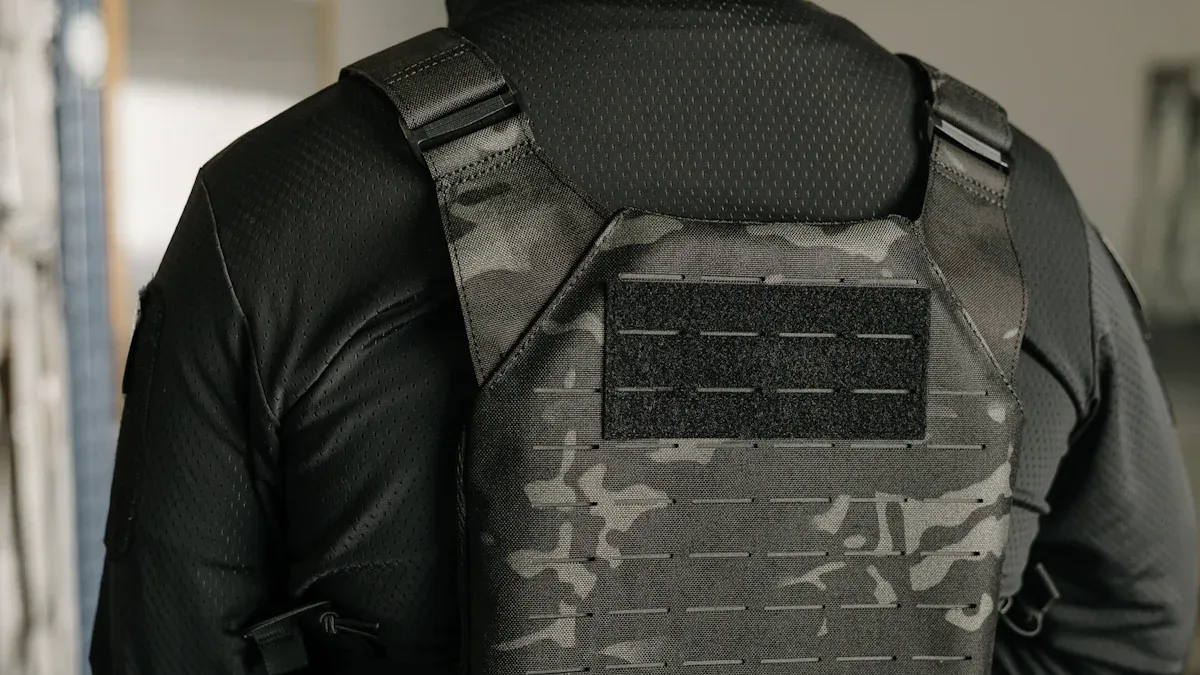
You need to know how to wear body armor the right way. Start by putting on your bulletproof vest and making sure it sits a few inches below your collarbone. This position helps protect your vital organs. Align the back panel with the front panel so you get even coverage. Secure the side panels to keep the vest balanced on your body. Adjust the shoulder straps and the cummerbund so the vest stays close to you. The vest should not bounce when you move.
Follow these steps for the proper way to adjust your vest:
Place the front panel a few inches below your collarbone.
Match the back panel with the front panel for full coverage.
Fasten the side panels for a snug, balanced fit.
Adjust the shoulder straps and cummerbund so the vest hugs your body but does not squeeze too tight.
You should check the straps and panels before each use. Make sure nothing feels loose or out of place. Experts suggest you inspect your vest every week to catch problems early. Every two weeks, take time to review your adjustments and make sure your vest still fits well. This routine helps you wear a bulletproof vest safely every day.
Tip: If you feel the vest is too tight or you cannot breathe well, loosen the straps a little. You want a secure fit, but you should always be able to move and breathe easily.
Learning how to wear body armor means you must pay attention to coverage. Your bulletproof vest should protect your heart, lungs, and other important organs. Make sure the vest covers your torso. For women, the vest should fit the chest area well. The design must also match your shoulder shape. This helps you avoid discomfort and keeps you safe in different positions.
Check that the vest covers your chest and stomach.
Make sure the vest fits your shoulders without leaving gaps.
Adjust the panels so your ribs and back are also protected.
You should always wear your vest in a way that gives you the best coverage. If you notice any part of your body is not covered, adjust the panels right away. Good coverage is the proper way to stay safe.
Many people make mistakes when they wear a bulletproof vest. One common mistake is picking the wrong size. If your vest is too small or too big, it will not protect you well. You need to measure yourself carefully and choose a vest that matches your body shape. This is the proper way to get both comfort and safety.
Another mistake is not checking the fit often. If you do not check the straps and panels, the vest can shift and leave you unprotected. Always check your vest before you wear it. Make sure the coverage is complete and the straps are tight but not painful.
Some people store their vest in the wrong place. Do not leave your vest in a car or hang it in a way that bends the panels. Store your vest flat in a cool, dry place. This keeps your vest in good shape and ready to wear.
You should also avoid choosing a vest that feels too tight just because you want a snug fit. If the vest is not comfortable, you may not want to wear it every day. The proper way is to get a vest that fits your body and feels good to wear. This helps you wear your vest often and stay protected.
Note: Always follow the manufacturer's instructions for how to wear body armor and care for your vest. This will help you avoid mistakes and keep your vest working well.
By learning how to wear body armor the right way, you protect yourself and make your vest last longer. Remember to check your fit, focus on coverage, and avoid common mistakes every time you wear a bulletproof vest.
Taking care of your vest is just as important as wearing it right. Bulletproof vest care helps your protection work well. Clean the vest often, store it the right way, and check for damage. This makes your vest last longer and keeps you safe.
You need to clean your vest often to keep it strong. Dirt, sweat, and oils can build up and make your vest weaker. Here is how to clean body armor the right way:
Pre-cleaning Checks: Check your vest for damage before you start. Look for tears, fraying, or stains.
Remove Ballistic Panels: Take out the ballistic panels from the carrier. Never put these panels in water or wash them.
Clean the Outer Shell: Use a sponge or soft cloth with warm water and mild soap. Scrub gently to get rid of dirt. Do not use bleach, ammonia, or strong cleaners. These can hurt your vest and make it less safe.
Clean the Panels: Wipe the ballistic panels with a damp cloth. For tough stains, use a soft brush. Do not soak the panels in water.
Drying: Let the vest and panels air-dry flat. Do not use a dryer, heat, or sunlight. Heat can hurt the fibers and glue.
Post-cleaning Checks: After drying, check your vest for damage again. Make sure everything is dry before you put the panels back.
Tip: Always follow the cleaning instructions from the maker. This keeps your vest safe and working well.
If you clean your vest often, you stop damage and keep it ready to use. If you skip these steps, your vest can get damaged and not protect you.
Storing your vest the right way is a big part of bulletproof vest care. If you store it right, you stop damage and help it last longer.
Keep your vest in a cool, dry place. Stay away from heat and wet air.
Do not leave your vest in sunlight. Sunlight can hurt the fibers.
Use a UV-resistant bag or cover when you store your vest.
Make sure your vest is totally dry before you store it. Wetness can cause mold and damage.
Keep the temperature between 50-80°F. Keep humidity under 60%.
Note: Very hot or wet places can hurt your vest and make it less safe.
If you follow these rules, your vest can last more than five years. Good storage keeps your vest strong, comfy, and easy to move in.
You must check your vest for damage often. Checking your vest is a big part of bulletproof vest care. Damage can happen from using it, accidents, or just time.
Look for damage like tears, fraying, or stiffness.
Check the fit. If your vest does not fit, it may not protect you.
Check the ballistic panels at least once a year.
Get a new vest after any big hit, even if you do not see damage.
Follow the maker’s rules for when to get a new vest, usually every five to seven years.
Warning: If you see damage, stop using the vest and get a new one. Your safety depends on the vest working right.
If you check your vest and get a new one when needed, you keep your protection at its best.
You should always follow the maker’s care instructions for bulletproof vest care. Each vest can need different things. The maker’s cleaning instructions tell you how to clean, store, and check your vest.
Check how to clean your vest model.
Know the right storage temperature and humidity.
Track when to check and replace your vest.
Learn about the warranty and care rules.
Tip: If you follow the maker’s care instructions, you protect your vest and stay safe.
You can find these instructions in the manual or on the company’s website. If you have questions, ask customer support for help.
Bulletproof vest care is not hard, but you need to pay attention and do it often. If you clean your vest, store it right, check for damage, and follow the maker’s rules, your vest stays strong and ready. This helps you stay safe every day.
You protect your life every time you wear your vest the right way. You extend the life of your vest by cleaning it, storing it flat, and checking for damage. You keep your life safe by following the manufacturer's rules and replacing your vest on time. The table below shows how often you should replace your armor to keep your life protected:
Armor Type | Recommended Replacement Interval |
|---|---|
Ceramic Plates | Every 5 years |
Polyethylene Plates | Every 7-10 years |
Soft Armor (para-aramid fibers) | Every 5 years |
You should check your vest often to make sure it can save your life. You need to keep your vest away from heat and sunlight to protect its life. You should always stay informed about new ways to care for your vest and improve your life. You give your vest a longer life by following these steps and making safety a part of your daily life.
Clean your vest often to remove sweat and salt.
Store your vest in a cool, dark place.
Inspect your vest for damage to protect your life.
Stay updated on best practices to make sure your vest protects your life every day.
You should replace your body armor every five to seven years. Check the label for the exact date. If your body armor takes a strong hit or shows damage, get a new one right away. Ballistic protection weakens over time.
Never put body armor in a washing machine. Remove the ballistic panels first. Clean the carrier by hand with mild soap and water. Wipe the ballistic panels with a damp cloth. Air-dry everything flat. This keeps your body armor safe.
Most body armor protects against bullets, not knives. Some body armor has extra layers for stab or spike protection. Check the label for ballistic and stab ratings. If you need both, choose body armor with dual protection.
You can wear body armor under your clothes. Choose a slim, lightweight style for comfort. Make sure the ballistic panels cover your vital areas. Body armor should not show through your shirt. Adjust the straps for a close fit.
Soft body armor uses flexible ballistic fibers. It stops handgun rounds and is easy to wear under clothes. Hard body armor uses rigid plates. It stops rifle rounds and gives more protection. Choose the right body armor for your needs.
Tip: Always check your body armor for damage before you wear it. Ballistic protection works best when your gear is in good shape.
Body Armor Type | Ballistic Threats Stopped | Comfort Level |
|---|---|---|
Soft | Handguns | High |
Hard | Rifles | Medium |


