
Views: 0 Author: Site Editor Publish Time: 2026-01-01 Origin: Site


In high-risk situations such as crowd control, civil unrest, or public disturbances, having the right gear is crucial for officer safety. A modern antiriot suit offers more than simple protection—it combines advanced materials, ergonomic design, and tactical features to safeguard the wearer against blunt force, sharp objects, fire, and chemical hazards. Understanding the key components of a modern antiriot suit can help law enforcement and security teams choose the best protection while maintaining mobility, comfort, and operational effectiveness.
A modern antiriot suit is more than armor. It is a combination of materials, ergonomics, and design that keeps the wearer safe without slowing them down.
They come in several forms:
Full-body suits: Cover almost the entire body, including limbs and head.
Partial protection suits: Focus on torso and limbs, lighter for mobility.
Lightweight tactical suits: Allow running, crouching, and climbing during operations.
These suits differ from basic protective clothing by combining impact resistance, stab-proof layers, and flame retardancy.
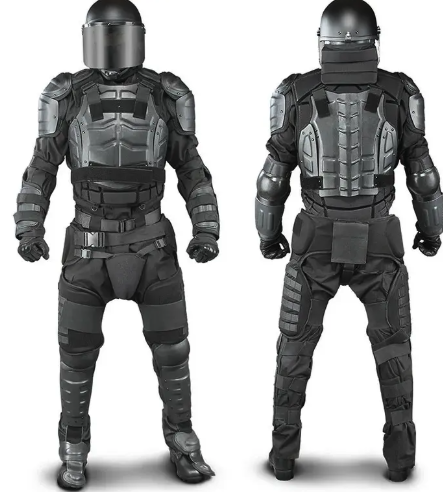
Modern antiriot suits combine multiple layers and technologies to provide maximum protection without sacrificing mobility. Each component is designed to handle specific threats, from blunt force to sharp objects, fire, and chemicals. Below, we break down the main protective elements.
The outer shell forms the first line of defense. It is usually molded from polycarbonate, reinforced composites, or laminated ceramics, which makes it both lightweight and highly impact-resistant. This layer covers critical areas of the body, including:
Chest and back
Shoulders
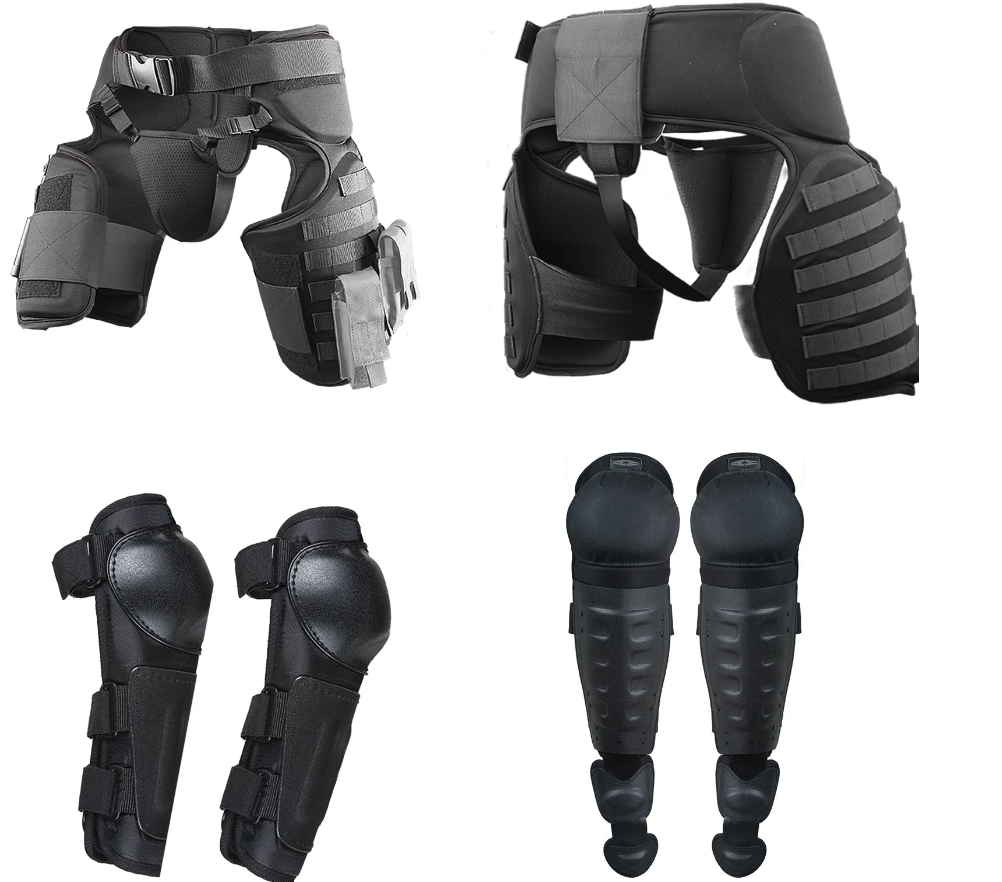
Thighs and shins
Upper and lower arms
It absorbs impacts from blunt objects, thrown projectiles, and batons, reducing the risk of serious injury. Many designs include impact ridges or contours that disperse force across a wider area, helping the wearer withstand repeated hits without damage.
Hard outer layer resists penetration and blunt force trauma. Strategic coverage protects vital areas, including the torso, joints, and limbs. Durable design ensures repeated use in high-risk operations. Officers wearing suits with reinforced hard shells can stand in the front line during crowd control or approach dangerous situations confidently, knowing the most critical parts of their body are shielded.
Underneath the hard shell, high-density foam layers act as a cushion to absorb energy. This layer is especially important in reducing injuries from repeated impacts. Padding placement is precise: torso, limbs, and joints receive extra layers for optimal protection.
Benefits:
Reduces the risk of bruises, fractures, and soft-tissue injuries
Adds comfort during extended operations, preventing fatigue
Lightweight, allowing freedom of movement
| Component | Material | Function |
|---|---|---|
| Torso padding | EVA foam | Absorbs and distributes body impact |
| Arm and leg padding | Multi-layer foam | Reduces joint injuries and protects bones |
| Neck padding | Soft foam | Protects collarbone, spine, and sensitive neck areas |
This layer also improves fit and comfort, preventing the rigid shell from rubbing against the body during active movement, running, or kneeling. It is essential for officers who may spend hours in full gear.
Modern antiriot suits often include Kevlar, aramid fibers, or fine metal mesh inserts under the outer shell. These layers stop knives, spikes, or sharp debris, which are common threats during riots, protests, or high-risk arrests. Certification ensures that the suit meets international standards such as NIJ (National Institute of Justice) or EN (European Norm) ratings for stab resistance. They are not just for riot situations.
These layers provide protection during active shooter responses, violent arrests, or industrial accidents where sharp tools or debris are present. By combining stab-proof layers with hard shells and padding, the suit protects against multiple threats simultaneously, offering comprehensive defense without adding excessive bulk.
In addition to impact and stab protection, officers face fire hazards, chemical spills, and acidic substances. Modern antiriot suits include specialized coatings and flame-resistant fabrics that handle these threats.
They protect against:
Open flames or Molotov cocktails
High heat from explosions or fire hazards
Corrosive chemicals, acids, and irritants used in crowd control
This allows officers to operate safely in volatile environments, including riots, industrial accidents, or chemical emergencies. The materials also resist degradation, helping the suit maintain performance after repeated exposure to heat or chemicals.
Modern antiriot suits are designed to balance maximum protection with mobility. They use advanced fabrics and composite panels that reduce overall weight without compromising durability. Officers can run, crouch, or climb during operations, and the suit does not feel bulky or restrictive. Lightweight construction is essential for prolonged missions, allowing quick reactions when the situation changes.
Critical joints at the elbows, knees, and groin are reinforced with flexible panels. These areas are prone to bending and twisting, so adding articulation prevents stiffness and enhances movement. Officers can move naturally, kneel, or pivot while maintaining full protection. This design ensures they remain agile even under heavy gear.
Inner linings use soft mesh, brushed fabrics, and moisture-wicking materials to improve comfort. They reduce skin irritation and prevent overheating during long operations. By allowing airflow and sweat evaporation, the suit helps officers stay alert and focused, even in high-temperature or high-stress environments.
The helmet is an essential part of the modern antiriot suit system. It comes in full-face or visor-equipped designs to protect the head and face from projectiles, thrown objects, and debris. The outer shell is impact-resistant, helping to deflect blows while maintaining visibility and situational awareness. Some helmets also include optional communication modules, allowing officers to stay in contact with their team without compromising safety. This combination of protection and functionality ensures the head remains shielded during high-risk operations.
Gloves are an important part of the suit’s protective system. They come in half or full designs, with reinforced palms that protect against blunt trauma. Despite their sturdiness, they allow dexterity for handling weapons, radios, or other tools, ensuring officers can perform tasks efficiently without compromising safety.
Reinforced boots are designed to provide impact protection and ankle support. Anti-slip soles prevent slips on wet or uneven surfaces, while coverage extends to the ankles and shins for extra defense against kicks, debris, or other hazards during operations. The boots are lightweight enough to maintain mobility but durable enough for rough environments.
Many antiriot suits come with tactical carry bags or modular storage solutions. These allow officers to transport the suit easily to and from operations. Quick deployment is possible because the suit can be folded or stored efficiently, making it ready for rapid response when situations escalate.
Modern antiriot suits follow national and international standards for:
Stab-proof performance
Impact resistance
Flame retardancy
Chemical resistance
Example Table of Standards:
| Standard | Region | Focus |
|---|---|---|
| NIJ Level IIIA | USA | Stab and ballistic resistance |
| EN 13688 | EU | General protective clothing |
| ISO 13688 | Global | Ergonomics and safety |
Selecting the right antiriot suit is critical for officer safety and operational effectiveness. Different situations require different levels of protection, so it’s important to consider multiple factors before making a choice.
The first factor is the threat level. Minor crowd control or routine public events may require lighter suits with partial coverage, while violent riots or high-risk interventions demand full-body protection with reinforced armor, stab-proof layers, and flame-resistant materials. Understanding the environment helps match the suit to the expected hazards.
Coverage is another key consideration. Some suits offer full-body protection, shielding the torso, limbs, head, and groin, while others provide partial coverage focused on the most vulnerable areas. Full-body suits provide maximum defense but are heavier, whereas partial suits improve agility and reduce fatigue. Officers should balance protection and mobility based on the mission.
Fit and ergonomics directly affect performance. A poorly fitting suit can restrict movement, cause fatigue, and reduce reaction speed. Adjustable straps, articulated joints, and flexible panels help maintain mobility while ensuring the protective layers stay in place. Comfort is especially important during prolonged deployments or high-intensity operations.
The most important components include the hard shell body armor, foam padding and shock absorption layers, stab-proof inserts, flame-retardant and chemical-resistant fabrics, helmet, gloves, and reinforced boots, all working together to provide full-body protection.
Yes, modern antiriot suits include stab-proof layers made from Kevlar, aramid fibers, or metal mesh that are tested to international standards to resist knives, spikes, and sharp debris.
Yes, they are designed with articulated joints, lightweight materials, breathable linings, and flexible panels to allow full mobility and comfort during extended missions.
The coverage depends on the mission; full-body suits protect the torso, limbs, head, and groin for high-risk operations, while partial protection suits focus on critical areas and improve mobility for lighter duties.
Suits should be regularly inspected for wear or damage, cleaned according to manufacturer instructions, stored in dry and ventilated areas, and any compromised padding or armor should be replaced promptly.
A modern antiriot suit is essential for officers and security personnel facing unpredictable threats. From hard shell armor and foam padding to stab-proof layers, flame retardant materials, and ergonomic design, each component plays a vital role in providing comprehensive protection.
For teams looking for high-quality, reliable, and customizable solutions, Jiangsu Ultra Safe New Material Co., Ltd. offers professional antiriot suits designed to meet rigorous safety standards while ensuring comfort and mobility during operations. Choosing the right suit can make all the difference in maintaining safety and effectiveness in the field.


