
Views: 0 Author: Site Editor Publish Time: 2025-10-24 Origin: Site


In high-risk environments, protection is paramount. Ballistic helmets are crucial for safeguarding against threats like bullets and shrapnel. Understanding their importance is vital for anyone in dangerous professions. In this post, you'll learn about key features to consider when choosing a helmet, including material quality, weight, and protection levels. This guide is essential for military personnel, law enforcement, and security professionals seeking reliable headgear.
When choosing a ballistic helmet, the material quality is the backbone of protection and durability. The materials used directly impact how well the helmet can stop bullets, absorb impact, and withstand harsh conditions.
Most high-quality ballistic helmets are made from advanced fibers and composites designed to offer maximum protection while keeping weight low. Common materials include:
● Kevlar (Aramid fibers): Known for its excellent ballistic resistance and durability. Kevlar helmets provide strong protection against handgun rounds and some shrapnel.
● Ultra-High Molecular Weight Polyethylene (UHMWPE): This material is lighter than Kevlar and offers superb impact resistance. It’s favored for helmets requiring long wear times due to its reduced weight.
● Composite Blends: Some helmets combine aramid fibers, UHMWPE, and resin layers. This blend balances durability, weight, and ballistic resistance, often enhancing protection against rifle rounds.
The quality of materials affects how well the helmet holds up under repeated use and extreme environments. High-grade materials resist cracking, delamination, and degradation caused by moisture, heat, or chemicals. This means the helmet maintains its protective integrity over time, even in tough operational conditions.
For example, helmets made with UHMWPE tend to resist moisture better than some aramid-based helmets, making them ideal for humid or wet environments. Meanwhile, aramid fibers generally offer excellent heat resistance, suitable for hot climates or firefighting scenarios.
Each material offers distinct levels of ballistic protection:
Material | Weight | Durability | Ballistic Protection Level |
Kevlar (Aramid fibers) | Moderate | High | Stops most handgun rounds, some rifle threats |
UHMWPE | Lightest | Very High | Effective against handgun rounds, good against fragmentation |
Composite Blends | Moderate to Heavy | Very High | Optimized for pistol and rifle threats |
Choosing the right material depends on your specific threat environment and operational needs. For instance, if you expect to face rifle rounds, a composite helmet might be best. For extended missions where fatigue is a concern, UHMWPE helmets offer a comfortable, lightweight option.
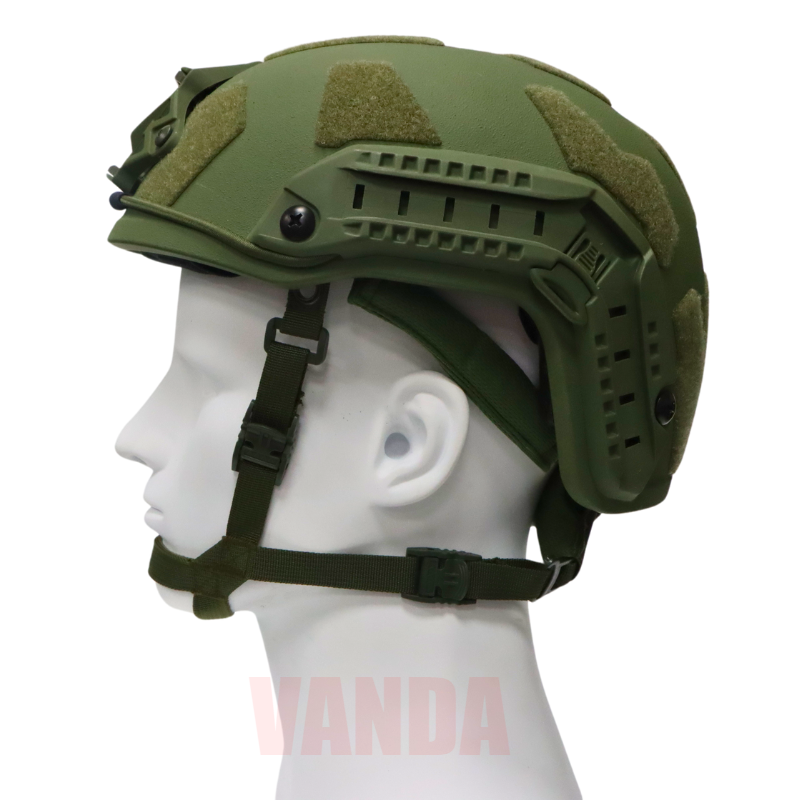
Weight plays a huge role in ballistic helmets. A lighter helmet reduces strain on your neck and shoulders. This matters especially during long missions or extended wear. Heavy helmets can cause fatigue, which affects focus and performance. Lightweight helmets help keep you agile and alert.
Materials like UHMWPE contribute to lighter helmets without sacrificing protection. Modern designs aim to balance strength and weight, ensuring you get the best of both worlds. A helmet that feels light on your head lets you move faster and react better.
Helmet weight directly impacts how you move. A heavy helmet can slow you down and reduce your ability to turn your head quickly. This can be dangerous in combat or tactical situations where speed and situational awareness are critical.
Moreover, heavier helmets increase the risk of neck injuries during sudden movements or impacts. They also cause more fatigue over time, reducing endurance during long operations. Lightweight helmets improve comfort, allowing you to stay mission-ready longer.
Finding the right balance between weight and protection is key. A very light helmet might compromise ballistic resistance, while a very heavy one might protect well but hinder mobility.
Look for helmets made from advanced materials like composite blends or UHMWPE that offer strong protection at reduced weights. Adjustable padding and suspension systems also help distribute weight evenly, enhancing comfort.
For example, a helmet designed with UHMWPE can be up to 30% lighter than traditional Kevlar helmets while maintaining similar protection levels. This makes a huge difference in field performance.
When selecting a helmet, consider your specific mission needs. If you expect high-threat environments, prioritize protection but don't ignore weight. If mobility and long wear times are more important, lean towards lighter options with proven ballistic resistance.
Ballistic helmets come with specific protection ratings, mainly set by the National Institute of Justice (NIJ). These standards tell you how well a helmet can stop different types of bullets and fragments. NIJ Level IIIA is the most common rating for helmets. It means the helmet can stop most handgun rounds, including powerful ones like .44 Magnum.
Higher levels exist but are rare in helmets because they usually add weight and reduce comfort. These standards help you pick a helmet that matches the threats you expect to face.
Knowing your environment and the threats you might encounter is key to selecting the right protection level. For law enforcement officers or security personnel dealing mostly with handguns, NIJ Level IIIA helmets offer sufficient protection.
Military users or professionals in high-risk zones might need helmets rated for rifle threats. These helmets often use composite materials designed to stop rifle rounds but may weigh more.
Always balance protection needs with comfort and mobility. Overprotecting with a heavy helmet can cause fatigue and reduce effectiveness. Underprotecting puts you at risk during critical moments.
Ballistic protection levels define how helmets perform against different projectiles:
● NIJ Level II: Protects against lower-velocity handgun rounds like 9mm. Rare for helmets.
● NIJ Level IIIA: Stops most handgun rounds, including .44 Magnum. Common for tactical helmets.
● Rifle-rated helmets: Not standardized by NIJ but tested against rifle rounds. Usually heavier, made of advanced composites.
Many helmets combine materials and design features to optimize protection and weight. For example, helmets with composite blends often offer better rifle protection but at a weight cost.
When comparing helmets, check certification labels and test results. Reliable manufacturers provide detailed ballistic performance data.
Ballistic helmets must fit well and feel comfortable. A helmet that fits poorly can shift during movement, reducing protection and causing distractions. Comfort also matters a lot, especially when wearing the helmet for hours during missions or training.
Comfort starts with quality padding. Look for helmets with thick, soft padding that cushions your head without causing pressure points. Many helmets use moisture-wicking fabrics to keep sweat away, helping you stay dry and cool. Adjustable chinstraps should be padded and secure without digging into your skin.
Suspension systems inside the helmet play a big role too. They help absorb shocks and keep the helmet stable during sudden movements. Some helmets offer removable or replaceable padding, letting you customize comfort based on your needs.
A proper fit means the helmet sits snugly on your head without being too tight. It should cover the forehead and back of the head adequately but not block your vision or hearing. When you shake your head, the helmet should move no more than 1-2 finger widths. Too loose, and it risks slipping off; too tight, and it causes discomfort or headaches.
Measuring your head circumference accurately is essential. Use a flexible tape measure around the largest part of your head, just above the eyebrows. Then, check the manufacturer's sizing chart to find the right size. Remember, different brands may fit differently, so trying helmets on before buying is ideal.
Most modern ballistic helmets include adjustable suspension systems. These allow you to fine-tune the fit by changing the height and tightness inside the helmet. Some use dial systems, while others rely on straps or Velcro. This adjustability helps distribute weight evenly, reducing neck strain.
Padding inside the helmet should also be adjustable or come in different thicknesses. This customization improves comfort and helps the helmet stay stable during rapid movements. For example, operators who wear communication headsets might need thinner padding around the ears to fit their gear comfortably.
Ventilation plays a crucial role in ballistic helmet design. It helps regulate temperature inside the helmet, preventing heat buildup during intense physical activity. Without proper airflow, the wearer can quickly become uncomfortable, distracted, or even suffer from heat exhaustion. Designers incorporate vents or airflow channels to allow fresh air in and hot air out, balancing protection with comfort.
Some helmets feature strategically placed vents on the shell or use breathable padding materials to enhance airflow. However, ventilation must never compromise ballistic protection. The challenge lies in integrating airflow systems that maintain the helmet's integrity against impacts and projectiles.
Effective ventilation offers several benefits:
● Temperature Regulation: Constant airflow helps keep the head cool, reducing sweat and overheating.
● Comfort: Cooler temperatures prevent discomfort and skin irritation during long missions.
● Focus: When the wearer feels comfortable, they maintain better concentration and situational awareness.
● Reduced Fogging: Good ventilation helps prevent goggles or visors from fogging up, improving visibility.
In hot or humid environments, ventilation becomes even more important. Helmets designed for such climates often include enhanced airflow features to support extended wear.
Overheating is a common problem during extended operations or in warm climates. It can lead to fatigue, dehydration, and reduced performance. Ballistic helmets with poor ventilation trap heat and sweat, increasing discomfort and risk.
To prevent overheating:
● Choose helmets with multiple vents or airflow channels.
● Look for moisture-wicking, breathable liner materials that help evaporate sweat.
● Consider helmets with removable or adjustable padding to improve airflow.
● Use helmets designed specifically for hot environments, often featuring larger vent openings or cooling technologies.
Balancing ventilation and protection is key. While open vents improve airflow, they must be designed to avoid weakening the helmet’s ballistic resistance or exposing the wearer to debris.
Modern ballistic helmets are more than just protective gear. They serve as a platform for critical accessories that enhance operational capabilities. When selecting a helmet, compatibility with night vision devices, communication tools, and other mission-specific gear is essential.
Night vision goggles (NVGs) are a staple for many tactical operations. A high-quality ballistic helmet should feature a sturdy mounting shroud on the front to attach NVGs securely. This mount must be robust enough to hold the device steady during movement without compromising helmet balance.
Communication devices, such as tactical headsets, require helmets that accommodate ear cups or in-built rails for mounting. The helmet design should allow seamless integration of microphones and speakers without interfering with fit or comfort. This integration ensures clear communication in noisy or chaotic environments, boosting team coordination.
Modularity is a key feature of modern helmets. Rails along the sides and back allow users to attach various accessories, including flashlights, cameras, visors, or counterweights. These rails should be standardized (e.g., ARC rails) to support a wide range of gear from different manufacturers.
Customization options let operators tailor their helmets to specific missions. For example, you might add a ballistic face shield for riot control or a helmet cover for camouflage. Some helmets even allow swapping out padding or suspension systems to fit different accessories better.
The attachment points and mounting systems must be designed for quick and secure installation or removal. Poorly designed mounts can loosen during use, risking loss of equipment or distracting the wearer.
Look for helmets that use locking mechanisms or tool-less mounts for easy accessory changes. The helmet should maintain its ballistic integrity even when accessories are attached. Additionally, cables and wires for communication devices should be routed neatly to avoid snagging.
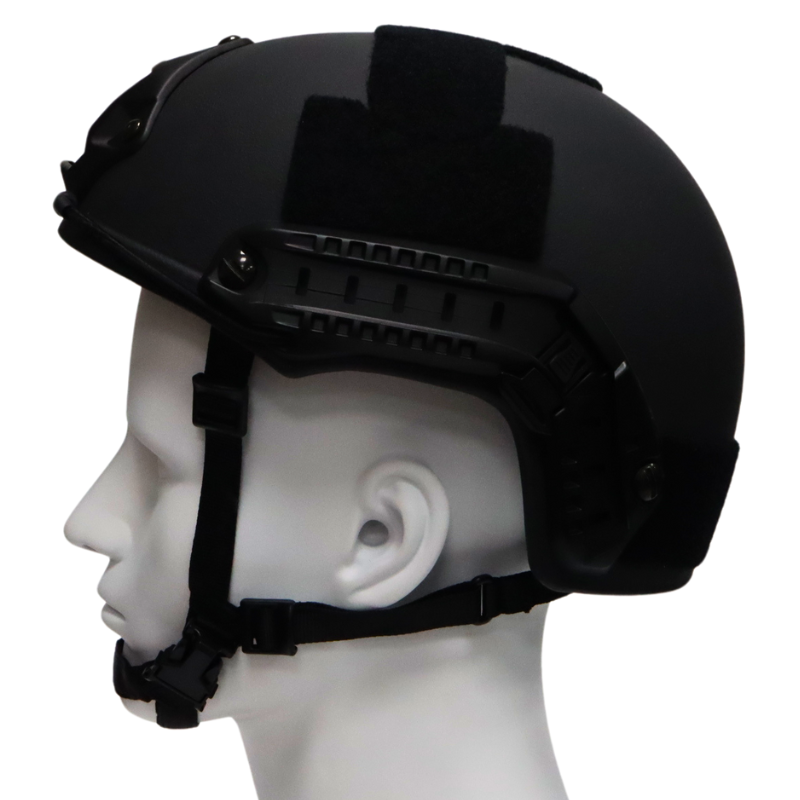
Durability is a key factor in choosing a ballistic helmet. A helmet must withstand rough use, harsh weather, and impacts without losing its protective qualities. Look for helmets made from high-grade materials like Kevlar, UHMWPE, or advanced composites. These resist cracking, delamination, and wear from moisture, heat, and chemicals.
Check the helmet’s outer shell for toughness and resilience. A durable helmet keeps its shape and strength even after bumps or drops. The internal padding and suspension system should also hold up over time, maintaining comfort and fit. Some helmets feature reinforced edges or coatings to resist scratches and abrasions.
Consider the helmet’s performance in different environments. For example, UHMWPE helmets often resist moisture better, making them ideal for wet climates. Aramid fiber helmets handle heat well, suited for hot or fire-prone areas. Choose a helmet designed for the conditions you expect to face.
Regular maintenance extends your helmet’s lifespan and ensures ongoing protection. Here are essential tips:
● Inspect Frequently: Look for cracks, dents, or loose parts before and after use.
● Clean Properly: Use mild soap and water. Avoid harsh chemicals that can degrade materials.
● Replace Worn Components: Change out padding, chin straps, and suspension parts as they wear.
● Store Carefully: Keep your helmet in a cool, dry place away from direct sunlight and heavy pressure.
● Follow Manufacturer Guidelines: Always adhere to care instructions to avoid voiding warranties or damaging the helmet.
Regular checks help spot damage early, preventing failures during critical moments. Cleaning removes dirt and sweat that can cause material breakdown or odors.
Helmets that are easy to clean save time and keep users comfortable. Removable liners and padding allow thorough washing and drying. Moisture-wicking materials help reduce sweat buildup and skin irritation. Some helmets feature anti-microbial fabrics to prevent bacteria and odor.
An easy-to-clean helmet promotes hygiene, especially for teams sharing gear or working in dusty, sweaty environments. It also reduces the risk of skin infections or discomfort during long missions.
Choose helmets designed for simple maintenance to keep your gear ready for action and extend its effective service life.
Prioritize helmets with durable materials and removable, washable liners to ensure long-lasting protection and easy maintenance in demanding conditions.
In summary, key features to consider in a high-quality ballistic helmet include material quality, weight, protection levels, fit, comfort, ventilation, accessory compatibility, and durability. Making an informed purchase decision involves balancing these features based on specific needs and operational environments. When choosing the right ballistic helmet, consider ULTRA SAFE's offerings, which provide advanced protection, comfort, and durability. ULTRA SAFE's products stand out for their innovative design and commitment to safety, ensuring users receive the best in ballistic protection and reliability.
A: Ballistic helmets often use materials like Kevlar, UHMWPE, and composite blends for protection and durability.
A: Lightweight ballistic helmets improve mobility by reducing neck strain and fatigue, enhancing agility and performance.
A: Ventilation in a ballistic helmet regulates temperature, preventing overheating and maintaining comfort during extended use.
A: NIJ Level IIIA ballistic helmets stop most handgun rounds, providing reliable protection for tactical scenarios.


