
Views: 0 Author: Site Editor Publish Time: 2025-12-29 Origin: Site


Riot situations are unpredictable and often dangerous, making the choice of protective equipment critical for law enforcement and security personnel. Among all tools, the riot shield plays a central role in officer safety and crowd control. The effectiveness of a shield depends largely on the materials used in modern antiriot shield design. From traditional polycarbonate to advanced laminated composites and ceramics, each material offers unique benefits in terms of impact resistance, weight, durability, and integration with non-lethal features. Understanding these materials helps officers and organizations select shields that are not only protective but also practical and reliable in real-world situations.
The material of a riot shield plays a critical role in how well it protects officers, how easy it is to handle, and how long it lasts. A shield must absorb or deflect impacts from thrown objects, sticks, or blunt weapons while remaining light enough for officers to carry for extended periods without fatigue. Choosing the right material can mean the difference between staying safe and sustaining injuries.
Key factors to consider when selecting materials:
Impact resistance: The shield must stop or deflect physical attacks, projectiles, or thrown objects without cracking or shattering.
Weight: Lighter materials make it easier for officers to carry and maneuver the shield during long operations or rapid response situations.
Durability: High-quality materials withstand repeated strikes, temperature changes, and exposure to UV rays or chemicals, extending the shield’s service life.
Integration: The material must support mounting of electronic components, such as LED lights or pepper-spray systems, without compromising stability or safety.
Ergonomics: Strong yet flexible materials help maintain comfortable handling and reduce arm strain during prolonged use.
By carefully balancing these factors, designers ensure that modern antiriot shields not only protect officers but also enhance operational effectiveness in dynamic and unpredictable situations.
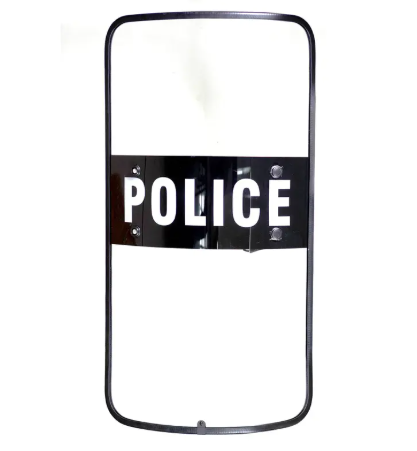
Polycarbonate is the most widely used material in modern antiriot shields. It is a transparent, lightweight plastic that allows officers to maintain visibility while providing strong protection against impacts. This material is highly resistant to shattering and flexible enough to absorb force without cracking. Polycarbonate shields are easy to carry for long durations and provide excellent upper-body protection. They are also cost-effective, making them suitable for large-scale law enforcement deployment. Polycarbonate is commonly used in full shields, clear panels, and riot windows, combining safety and practicality in one solution.
Acrylic is another transparent material used for riot shields, although it is less impact-resistant than polycarbonate. Its rigidity and clarity make it visually appealing and useful for demonstration or low-risk crowd-control situations. Acrylic is lightweight and scratch-resistant, but it can crack under heavy impact. For this reason, it is typically chosen for shields that require visibility but are not exposed to high-intensity attacks. Acrylic shields are often used as limited-protection barriers or for training exercises where full polycarbonate strength is not necessary.
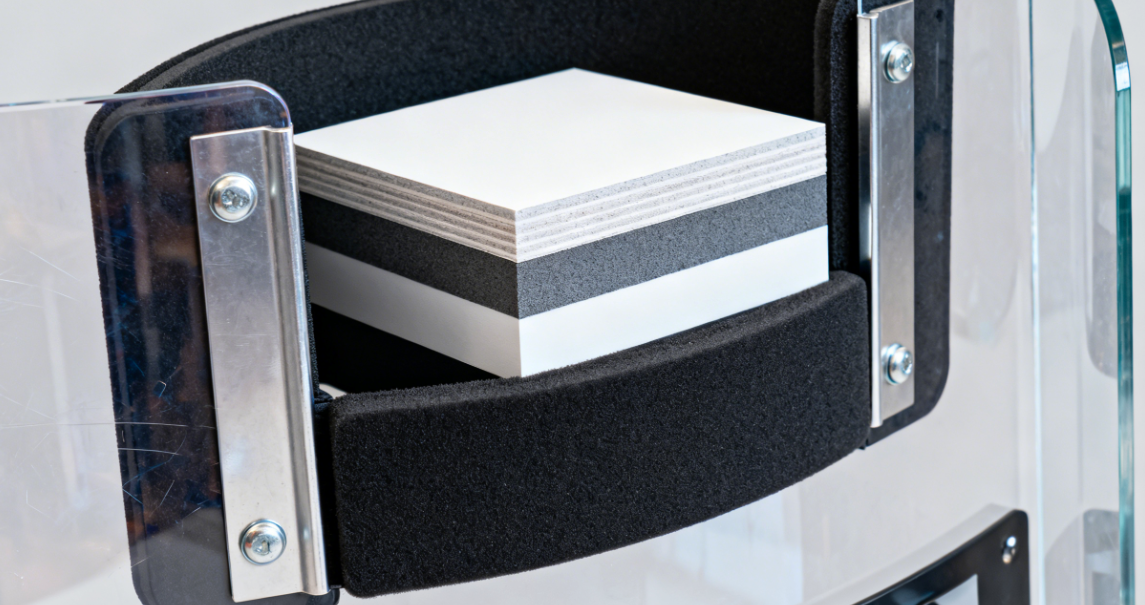
Laminated composites consist of multiple layers of plastics and fibers, such as polycarbonate-PET or fiber-reinforced polymers (FRP). These layers help absorb and distribute the energy from impacts, making them highly resistant to blunt force, slashes, or stabbing attempts. Laminated composites offer a longer lifespan than single-layer materials and are often employed in military-grade shields or specialized law enforcement equipment. Their layered structure allows them to balance durability and weight, making them suitable for high-risk riot-control scenarios where maximum protection is required.
Metals like aluminum and steel are rarely used as the main surface of a riot shield but play a crucial role in reinforcing frames and mounting electronic devices. Aluminum is lightweight and corrosion-resistant, while steel provides rigidity and structural strength. These materials are ideal for brackets, handles, and casings for LEDs or pepper-spray mechanisms. The main drawback is their weight, which can reduce mobility if used extensively in the shield surface. Proper design ensures metals are used strategically for support without compromising handling.
Soft materials such as rubber and foam are incorporated into handles or the inner side of shields to improve comfort and absorb shocks. This padding helps reduce hand and arm fatigue during prolonged operations and lowers the risk of injury from repeated impacts. It also enhances grip, ensuring that officers maintain full control over the shield even during high-intensity situations. The combination of rigid protective materials and ergonomic padding results in a shield that is both safe and practical for everyday law enforcement use.
| Material | Key Features | Typical Use |
|---|---|---|
| Polycarbonate | Lightweight, transparent, impact-resistant, flexible | Full shields, clear panels, riot windows |
| Acrylic | Clear, scratch-resistant, lightweight; less impact-resistant | Limited-protection shields, training |
| Laminated Composites | Multi-layered, absorbs impact, resists blunt force and stabs | Military-grade shields, specialized use |
| Metals & Alloys | Strong, rigid, supports electronics; heavier | Frames, handles, mounting brackets |
| Rubber & Foam | Shock absorption, reduces fatigue, improves grip | Padding on handles or inner shield side |
Modern antiriot shields are no longer limited to basic plastics and metals. Advanced materials are being used to enhance protection, reduce weight, and improve functionality.
Transparent ceramics: These materials offer ultra-high impact resistance, able to withstand repeated strikes and even sharp objects. They remain clear, so officers retain visibility while gaining extra protection.
Polycarbonate-ceramic hybrids: Combining lightweight polycarbonate with tough ceramic layers, these hybrids balance flexibility, impact absorption, and durability. They are ideal for high-risk crowd-control scenarios.
Coatings: Anti-scratch, anti-reflective, and easy-to-clean coatings protect the shield’s surface, maintain visibility, and extend the shield’s service life.
Smart integration: Advanced shields often include mounting points for LEDs, pepper-spray systems, or even sensors that detect impact or monitor the environment, making shields multifunctional tools for officers.
These innovations help modern shields do more than just block—they actively support crowd management and officer safety.
Choosing the right material is more than picking the strongest one. It’s about balancing protection, weight, usability, and cost.
Checklist for selecting materials:
Impact resistance: Must stop or deflect thrown objects, sticks, or blunt weapons.
Weight: Light enough for long operations without causing fatigue.
Transparency: Clear shields allow officers to see threats and maintain situational awareness.
Durability: Materials should resist sun, rain, heat, chemicals, and repeated strikes.
Cost-effectiveness: High performance doesn’t always mean expensive; balance budget and safety.
Electronics compatibility: Supports mounting of LEDs, pepper-spray systems, or other non-lethal devices without compromising strength.
Considering all these factors ensures a shield is not just protective, but practical and effective in real-world situations.
| Material | Weight | Impact Resistance | Cost | Transparency | Durability | Electronics Integration |
|---|---|---|---|---|---|---|
| Polycarbonate | Low | High | Medium | High | High | Excellent |
| Acrylic | Low | Medium | Low | High | Medium | Good |
| Laminated Composites | Medium | High | High | Medium | High | Good |
| Aluminum/Steel (Frame) | High | High | Medium | N/A | High | Excellent |
| Kevlar/Fiber Composites | Medium | Very High | High | Low | High | Limited |
Proper care ensures that riot shields remain reliable, safe, and functional for a long time. Even the strongest materials can degrade without regular maintenance, reducing protection and usability. Here are some key areas to focus on:
Polycarbonate and acrylic panels should be cleaned gently using a soft cloth and mild soap. Abrasive cleaners or rough materials can scratch the surface, reducing visibility and weakening the material over time. Coated shields, such as those with anti-scratch or anti-reflective layers, should be handled carefully to preserve these protective finishes. Regular cleaning also prevents dirt, dust, and chemical residues from accumulating and causing long-term damage.
Shields should be inspected frequently for cracks, scratches, or signs of delamination. Even small cracks can grow under repeated impact, compromising the shield’s structural integrity. Check mounting points, edges, and any areas where electronic components are attached, as these spots often experience higher stress. Early detection allows for timely repair or replacement before serious failures occur.
Store shields upright in a dry area, away from direct sunlight and extreme temperatures. Excessive heat or prolonged UV exposure can warp plastics or degrade coatings. Avoid stacking heavy objects on top of shields to prevent bending or scratches. Proper handling during transport and deployment further extends the shield’s lifespan.
Polycarbonate is the most commonly used material because it is lightweight, transparent, and highly impact-resistant.
Yes, acrylic can be used for low-risk or training shields, but it is less impact-resistant than polycarbonate.
Laminated composites are made of multiple layers of plastics and fibers, offering high resistance to blunt force, slashes, and stabs.
Metals like aluminum and steel are mainly used for frames, handles, and mounting electronics, not as the main protective surface.
Padding made of rubber or foam absorbs shocks, reduces fatigue, and improves grip for better handling.
Selecting the right material is essential for creating riot shields that balance protection, weight, and functionality. Modern innovations, including transparent ceramics, hybrid composites, and smart integrations, are making shields more effective than ever. Regular maintenance and careful handling further ensure their longevity and reliability.
For organizations seeking high-quality, advanced materials for antiriot shields, Jiangsu Ultra Safe New Material Co., Ltd. offers a comprehensive range of innovative solutions designed to meet the demanding needs of law enforcement and security professionals. Their products combine strength, durability, and versatility to help officers stay safe and maintain operational effectiveness.


