
Views: 0 Author: Site Editor Publish Time: 2025-10-24 Origin: Site


In today's rapidly evolving combat scenarios, staying ahead in protective gear is crucial. Ballistic helmets play a pivotal role in safeguarding soldiers and law enforcement personnel. Understanding their evolution helps us appreciate advancements in materials and design. In this post, you'll learn about the transformation of ballistic helmets from World War I to modern innovations, highlighting key developments and future trends.
Ballistic helmets first appeared during World War I, marking a critical shift in soldier protection. Before this, soldiers often wore little or no head protection, leaving them vulnerable to shrapnel, debris, and blunt force trauma. The British introduced the Brodie helmet in 1915, a simple steel design shaped like a shallow bowl with a wide brim. This helmet aimed to protect soldiers from overhead shrapnel explosions in trench warfare. The U.S. soon followed with the M1917 helmet, which was heavily influenced by the Brodie design.
Steel helmets dominated the early 20th century battlefield. Their primary function was to guard against shrapnel and flying debris rather than direct bullet impacts. These helmets were made from hardened steel, which provided a tough outer shell. The M1 helmet, introduced by the U.S. military in World War II, became one of the most iconic steel helmets. It featured a two-piece design: a steel shell and an inner liner for comfort and fit adjustment. This design improved wearability and protection, becoming standard issue for decades.
Despite their importance, early steel helmets had significant drawbacks. First, they were heavy, often weighing around 3 pounds (1.36 kg), which caused fatigue during long missions. Their protection was limited mostly to shrapnel; they offered little defense against bullets or high-velocity fragments. Additionally, steel helmets lacked modularity, meaning soldiers could not easily attach communication devices or other gear. Comfort was also an issue, as suspension systems were basic, and ventilation was minimal, leading to heat buildup and discomfort.
Early helmets also did not account for blunt force trauma effectively. While they could stop some fragments, the force of impacts could still cause concussions or other head injuries. These limitations drove the search for new materials and designs in later decades.
Early steel helmets laid the foundation for modern ballistic protection, but their heavy weight and limited defense against bullets highlighted the need for innovation in materials and design.
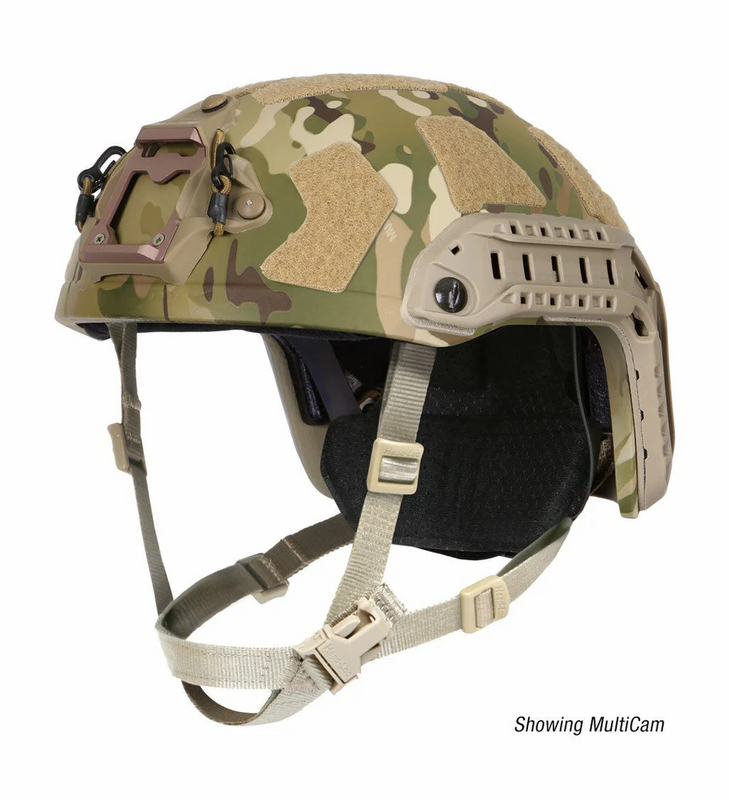
The 1970s marked a turning point in ballistic helmet technology with the introduction of Kevlar. Kevlar is a synthetic aramid fiber known for its exceptional strength-to-weight ratio. Unlike the heavy steel helmets of earlier decades, Kevlar offered comparable ballistic protection while significantly reducing weight. This breakthrough meant soldiers could wear helmets that protected them better without the fatigue caused by heavier gear.
Kevlar’s unique molecular structure absorbs and disperses energy from impacts, making it highly effective against shrapnel and small arms fire. Its resistance to heat and chemical damage also improved helmet durability in harsh combat environments. This innovation opened the door to a new generation of protective headgear designed specifically for modern warfare’s demands.
Building on Kevlar technology, the U.S. military developed the Personnel Armor System for Ground Troops (PASGT) helmet in the early 1980s. The PASGT replaced the iconic steel M1 helmet, becoming standard issue by the late 1980s. It featured a full-coverage design that protected the top, sides, and back of the head better than previous models.
The PASGT helmet combined Kevlar layers with a shock-absorbing liner and adjustable suspension system. This design improved comfort and fit, reducing wearer fatigue during long missions. Though heavier than some later models, the PASGT was a significant upgrade, offering enhanced ballistic protection against fragmentation and handgun rounds.
Its robust construction made it durable in various combat conditions, from desert heat to jungle humidity. The PASGT’s design also included provisions for mounting night vision devices and other accessories, though integration was limited compared to modern helmets.
The introduction of Kevlar and the PASGT helmet revolutionized military gear. Soldiers gained access to lighter, more protective helmets that allowed greater mobility and endurance on the battlefield. This shift also influenced the design of body armor and other protective equipment, promoting an integrated approach to personal defense.
Kevlar helmets reduced neck strain and improved soldier readiness, enabling longer patrols and more effective combat performance. The PASGT set new standards for ballistic protection, influencing helmet designs worldwide for decades.
Moreover, the Kevlar revolution spurred ongoing research into advanced materials and helmet ergonomics. It paved the way for future innovations like the Advanced Combat Helmet (ACH) and polyethylene-based helmets, which continue to enhance protection and comfort.
The Advanced Combat Helmet (ACH) marked a major leap in ballistic helmet design when it was introduced in the early 2000s. It replaced earlier models like the PASGT and Lightweight Helmet, addressing many of their shortcomings. The ACH uses improved Kevlar composites, making it lighter yet stronger. This reduction in weight lessens neck strain and fatigue, allowing soldiers to stay alert longer during missions.
The ACH also features a more ergonomic shape, providing better coverage to the sides and back of the head without sacrificing mobility. Its design eliminates the front brim found on the PASGT, improving compatibility with communication gear and night vision devices. This low-profile approach enhances situational awareness and reduces snag hazards in tight environments.
Modern helmet designs like the ACH incorporate advanced technologies to improve functionality and protection. One key innovation is the modular rail system, which allows quick attachment of accessories such as:
● Night vision goggles (NVGs)
● Communication headsets
● Cameras
● Lights
● Face shields
These rails provide flexibility, enabling soldiers to customize their helmets based on mission needs. Additionally, improved padding and suspension systems inside the helmet reduce impact forces and increase comfort during extended wear. Some helmets now feature moisture-wicking liners and ventilation channels to keep users cool under harsh conditions.
Communication integration is another critical advancement. The ACH and similar helmets support seamless use of headsets and microphones, enabling clear, hands-free communication in chaotic environments. This integration helps maintain team coordination and situational awareness.
In recent years, polyethylene-based materials, especially ultra-high-molecular-weight polyethylene (UHMWPE), have gained prominence in helmet manufacturing. These materials offer excellent ballistic protection at a lighter weight compared to traditional Kevlar.
Polyethylene-based helmets provide several benefits:
● Superior resistance to high-velocity projectiles
● Enhanced durability against environmental factors like moisture and UV exposure
● Reduced overall helmet weight, improving comfort and mobility
For example, helmets like the ArmorSource AS-501 use UHMWPE composites to protect against fragmentation and small arms fire while maintaining wearer agility. This material's flexibility also allows for better molding to head shapes, improving fit and reducing pressure points.
The adoption of polyethylene-based helmets reflects ongoing efforts to balance protection, weight, and comfort. As threats evolve, these materials help meet the demand for lighter, stronger, and more versatile headgear.
Modern ballistic helmets rely on advanced materials to balance protection, weight, and comfort. Kevlar remains a staple due to its high tensile strength and ability to absorb and disperse impact energy. It’s lightweight yet tough, making it ideal for stopping shrapnel and handgun rounds.
Ultra-high-molecular-weight polyethylene (UHMWPE) has emerged as a strong alternative. This material offers similar or better ballistic resistance than Kevlar but at a reduced weight. UHMWPE helmets resist moisture and UV damage better, which improves durability in harsh environments. Its flexibility also allows manufacturers to mold helmets for a snugger, more comfortable fit.
Composite materials often combine Kevlar, UHMWPE, and carbon fiber layers. This blend enhances strength without adding bulk. Carbon fiber adds rigidity and helps helmets maintain their shape after impacts. These composites provide excellent protection against a variety of threats, including blunt force trauma and ballistic impacts.
The structure of modern helmets centers on several components working together:
● Shell: The outer layer made from Kevlar, UHMWPE, or composites. It’s designed to stop or slow down projectiles and absorb impact energy.
● Suspension System: Inside, a suspension system cushions blows and evenly distributes the helmet’s weight. This reduces pressure points and lessens neck strain during long missions.
● Padding: Foam or gel pads improve comfort and absorb shock. Many helmets use moisture-wicking materials to keep wearers cool and dry.
● Retention System: Adjustable chin straps and harnesses keep the helmet securely in place, even during rapid movements or falls.
This combination ensures helmets protect against ballistic and blunt force threats while remaining wearable for extended periods.
Modern helmets are designed to be highly adaptable. Modular rails and mounting points allow users to attach various accessories, such as:
● Night vision goggles (NVGs)
● Communication headsets
● Cameras
● Tactical lights
● Face shields or visors
These features let soldiers and law enforcement customize helmets for specific missions. For example, a soldier on a night operation might attach NVGs and a helmet light, while a SWAT officer may add a communication system and face shield.
Customization also extends to fit. Many helmets offer interchangeable padding sets and adjustable suspension systems, accommodating different head shapes and sizes. Some even provide options for gender-specific fits to improve comfort.
This modularity enhances operational effectiveness by allowing quick gear changes without compromising protection.
Modern warfare and tactical operations face increasingly lethal threats from high-velocity rifle rounds. Traditional ballistic helmets, designed mainly to stop shrapnel and handgun rounds, often fall short against these powerful projectiles. As rifles like the NATO M80 (7.62x51mm) and the 5.56x45mm have become standard issue worldwide, the need for helmets that can resist such rounds has intensified.
High-velocity rifle rounds carry immense kinetic energy, capable of penetrating many conventional helmet materials. This threat demands innovation in helmet design and materials to provide soldiers and law enforcement personnel with enhanced protection. The challenge lies in developing helmets that can stop or significantly reduce the impact of these rounds without becoming too heavy or cumbersome.
Several advanced helmets now offer rifle-resistant capabilities, blending cutting-edge materials and design features. One notable example is the ArmorSource Aire EX helmet. It employs ultra-high-molecular-weight polyethylene (UHMWPE) composites, which provide superior ballistic resistance against rifle rounds while maintaining a manageable weight for the wearer.
Another example includes helmets using layered composite materials that combine Kevlar, UHMWPE, and carbon fiber. These multi-material constructions enhance energy absorption and reduce penetration risk. Some helmets also feature reinforced areas or additional protective plates strategically placed to shield vulnerable regions.
These rifle-resistant helmets often incorporate modular accessory rails and mounting options, allowing operators to attach communication devices, night vision goggles, or face shields without compromising protection. The balance between protection, comfort, and functionality remains a key focus in their design.
Rifle-resistant helmets are vital for both military personnel and law enforcement officers operating in high-threat environments. For soldiers on the front lines, these helmets increase survivability against rifle fire, which is common in modern combat zones. Enhanced head protection reduces the risk of fatal injuries and traumatic brain injuries caused by ballistic impacts.
In law enforcement, especially specialized units like SWAT and counter-terrorism teams, rifle-resistant helmets provide critical defense during raids, hostage rescues, and active shooter incidents. These teams often face adversaries armed with high-powered rifles, making advanced helmets indispensable for operational safety.
Moreover, the psychological confidence gained from wearing rifle-resistant helmets can improve mission effectiveness. Operators can focus on their objectives knowing they have superior protection against the most dangerous ballistic threats.
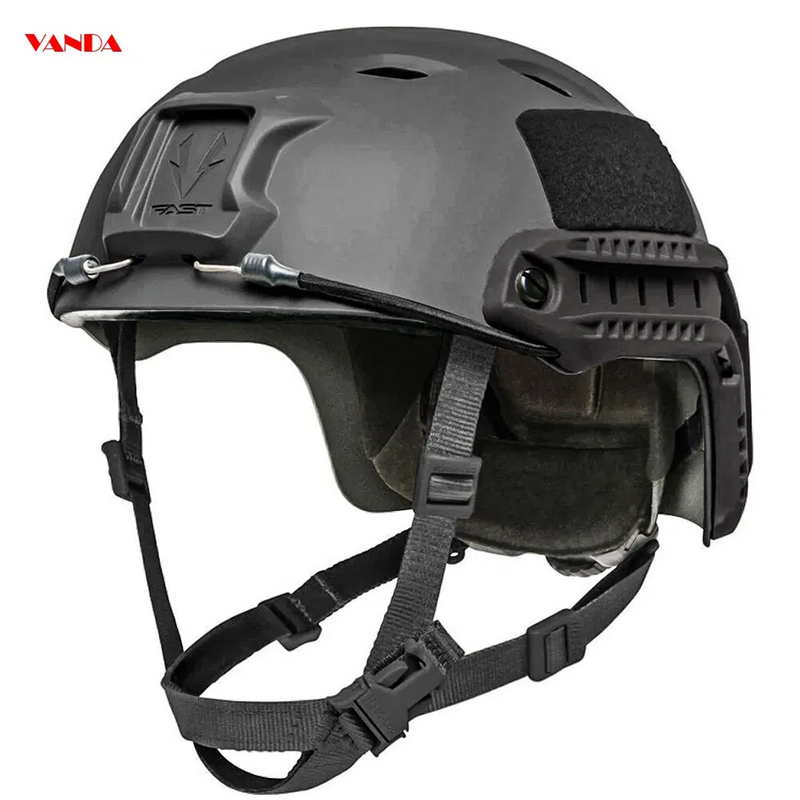
Ballistic helmet design continues to evolve thanks to ongoing research into new materials. Scientists explore advanced fibers and composites that offer better protection while cutting weight. Materials like graphene and nanostructured fibers show promise due to their incredible strength and lightness. These innovations could lead to helmets that stop higher-velocity rounds without weighing down the wearer.
Researchers also focus on improving helmet durability against environmental factors such as heat, moisture, and UV exposure. Enhanced coatings and treatments help helmets maintain performance in extreme conditions, extending their service life. Additionally, smart materials that adapt to impacts or provide real-time damage assessment are under development, aiming to increase soldier safety through technology.
Comfort remains a top priority for future helmet designs. Extended wear can cause fatigue, headaches, and heat stress, so manufacturers work to enhance fit, ventilation, and weight distribution. New suspension systems use adjustable, ergonomic padding that molds to individual head shapes, reducing pressure points and improving stability during movement.
Ventilation improvements include integrated airflow channels and moisture-wicking liners that keep users cool and dry. Lightweight materials reduce neck strain, allowing soldiers to stay alert longer. Usability is also enhanced by better retention systems that secure helmets firmly without discomfort.
Integration with communication gear, night vision, and other accessories is becoming more seamless. Quick-attach mounts and modular rail systems allow users to customize gear rapidly, adapting to different mission requirements without sacrificing comfort.
Looking ahead, ballistic helmets may incorporate cutting-edge technologies such as augmented reality (AR) displays, embedded sensors, and advanced impact mitigation systems. AR could provide soldiers with real-time tactical data projected inside the helmet visor, improving situational awareness without distraction.
Embedded sensors might monitor impacts, temperature, or even biometric data, alerting medics immediately if a soldier sustains a head injury. Advanced materials like self-healing composites could repair minor damage on the battlefield, extending helmet lifespan and reliability.
Another exciting area is the use of artificial intelligence (AI) to analyze helmet sensor data and predict potential threats or equipment failures. This proactive approach could revolutionize battlefield safety and helmet maintenance.
Overall, the future of ballistic helmets promises a blend of enhanced protection, comfort, and smart technology, ensuring soldiers and law enforcement personnel remain safe and effective in increasingly complex environments.
Ballistic helmet design has evolved significantly, from heavy steel models to advanced Kevlar and polyethylene-based helmets. This evolution reflects a commitment to improving soldier protection and comfort. As threats become more complex, the focus remains on developing lighter, stronger, and more adaptable helmets. Future developments may include smart technologies and advanced materials. ULTRA SAFE leads in this innovation, offering helmets that balance protection, comfort, and adaptability, ensuring maximum safety for military and law enforcement personnel.
A: A ballistic helmet is protective headgear designed to safeguard military personnel and law enforcement officers from shrapnel, debris, and ballistic impacts in combat situations.
A: Ballistic helmet design has evolved from heavy steel models to lighter, more protective helmets using advanced materials like Kevlar and UHMWPE, enhancing comfort and ballistic resistance.
A: Kevlar is used in ballistic helmets for its exceptional strength-to-weight ratio, effectively absorbing and dispersing impact energy from shrapnel and small arms fire.
A: Polyethylene-based helmets offer superior ballistic protection, reduced weight, enhanced durability, and improved comfort compared to traditional Kevlar helmets.
A: Modern helmets feature modular rail systems for attaching accessories like night vision goggles, communication headsets, and tactical lights, allowing customization based on mission needs.


