
Views: 0 Author: Site Editor Publish Time: 2025-11-17 Origin: Site


When a bullet strikes armor, survival isn’t luck — it’s science. A bulletproof plate doesn’t merely stop the shot; it absorbs and redirects its energy to protect life. In this article, ULTRA SAFE’s ballistic experts will guide you through how bulletproof plates work, the materials that make them strong, and how to choose the right protection for your needs.
A bulletproof plate, also called an armor plate or ballistic plate, is a rigid protective insert used to stop high-velocity rifle rounds. It’s the solid core of modern body armor, designed to absorb energy and prevent penetration when a bullet strikes.
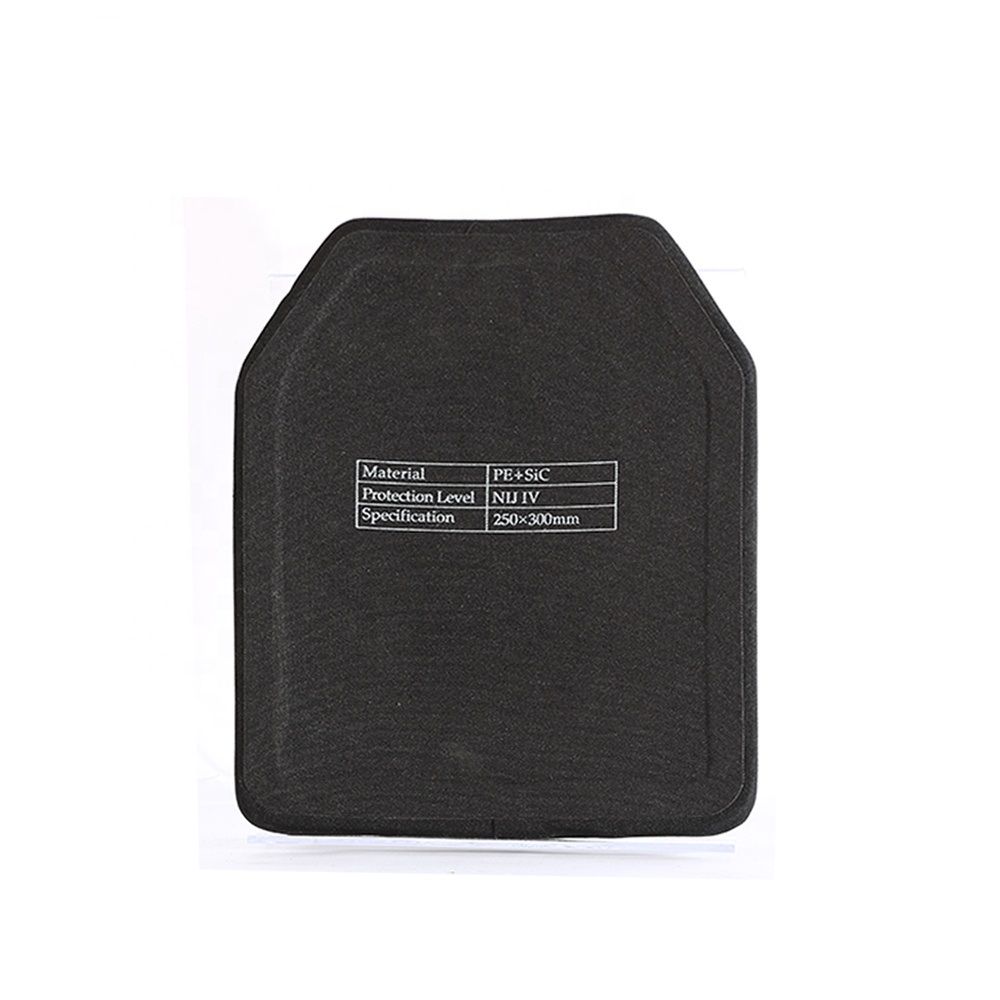
Nij-Level-IV-Bulet-Proof-Plate-Balistic-Plates-Buletproof-Ceramic-Plates
These plates can be worn alone as standalone armor or combined with soft ballistic vests for added protection. Most setups place one plate on the chest and another on the back, while some systems include side, shoulder, or groin plates for full-body coverage. The goal is simple — cover the body’s vital areas without sacrificing movement.
You’ll find them wherever ballistic protection is essential — military combat, law-enforcement patrols, private security, and even civilian self-defense. In high-risk zones, they form the first line of defense against rifle fire and shrapnel. In rescue or tactical missions, lightweight models allow faster movement while maintaining safety.
Bulletproof plates come in several standardized shapes, each built for comfort and mobility:
| Plate Type | Shape Description | Typical Use |
|---|---|---|
| SAPI Cut | Rectangle with two sloped upper corners | Standard military and law-enforcement armor |
| Shooter’s Cut | Similar to SAPI but with deeper curves | Improves arm mobility for rifle use |
| Swimmer’s Cut | Tapered upper body shape | Ideal for special forces or high-mobility tasks |
| Square/Rectangle | Flat, full-coverage design | Older or training models |
Modern plates are slightly curved to match the body’s contour, reducing strain during long wear and improving the wearer’s agility.
A bulletproof plate doesn’t block a bullet — it manages energy. When a bullet strikes, the goal isn’t to stop motion instantly but to spread and absorb its force before it reaches the body. The plate transforms deadly kinetic energy into harmless deformation.
Think of it as a science experiment in motion. When a bullet hits the plate, Newton’s third law comes into play — every action has an equal and opposite reaction. The impact force pushes into the plate, and the material pushes back. Instead of letting the bullet pierce through, the plate redirects and distributes that force across a wider area.
Different materials handle this process differently:
Ceramic plates shatter the bullet, breaking it apart and reducing penetration.
Steel plates deform the projectile, flattening it to reduce impact energy.
Polyethylene (UHMWPE) plates compress and stretch, trapping the bullet inside their layers.
Each mechanism shares one mission — dissipate energy before it reaches the body.
Here’s what happens in milliseconds when a bullet hits armor:
| Stage | Description |
|---|---|
| 1. Impact Phase | The bullet strikes the surface. The plate begins to flex and absorb the initial shock. |
| 2. Deformation & Fracture | Layers compress, crack, or break apart, reducing the bullet’s velocity and sharpness. |
| 3. Energy Distribution | The backing layer spreads out the remaining force, minimizing backface deformation (the bulge behind the plate). |
| 4. Containment | The bullet stops or becomes embedded, while the plate maintains structure to protect vital organs. |
This rapid sequence turns direct impact into distributed pressure — a difference that often decides life or death in ballistic protection.
Not all bulletproof plates are built the same. Their materials decide how they absorb energy, how much they weigh, and what type of threats they can stop. Let’s look at the main types you’ll find in modern ballistic protection.
Ceramic plates use advanced materials like boron carbide (B₄C) and silicon carbide (SiC). These materials are lighter than steel but extremely hard — hard enough to crush and shatter bullets on impact.
When a bullet hits, the ceramic layer breaks the projectile apart and spreads the energy across the surface. The backer layer — often made of aramid or polyethylene — catches the fragments and stops them from penetrating further.
Key traits:
Pros: Lightweight, strong against armor-piercing rounds, great for mobility.
Cons: Brittle, limited multi-hit protection, requires careful handling.
Best for: Military missions or tactical units that need high protection and agility.
Steel plates are the traditional workhorse of ballistic protection. Most use AR500 steel or titanium alloys, offering strong, affordable defense against multiple hits.
When struck, steel resists deformation and flattens the bullet — but it can also create spalling, where tiny metal fragments ricochet outward. That’s why most modern designs include anti-spall coatings to contain debris.
Key traits:
Pros: Durable, cost-effective, and reliable for repeated impacts.
Cons: Heavy, uncomfortable for long wear, higher blunt-force trauma.
Best for: Static defense setups or budget-conscious protection users.
These plates are made from ultra-high molecular weight polyethylene, compressed under heat and pressure into dense ballistic panels. When a bullet hits, the layers stretch, melt slightly, and trap the projectile inside, spreading the impact force.
They’re so light they can even float on water, making them perfect for maritime or humid environments. However, because UHMWPE is a thermoplastic, it softens under high heat, so it’s not ideal for desert or high-temperature conditions.
Key traits:
Pros: Super lightweight, waterproof, corrosion-resistant, buoyant.
Cons: Sensitive to heat, thicker at equal protection levels.
Best for: Long-duration wear, marine, or rescue operations.
Composite plates combine the strengths of multiple materials — for example, a ceramic strike face paired with a polyethylene or aramid backing. Some designs mix steel and composite fibers for extra durability and multi-hit performance.
This hybrid structure lets them balance weight, comfort, and protection. It also gives flexibility for mission-specific armor systems used by tactical units, police, or special operations.
| Material Type | Weight | Multi-Hit Resistance | Heat Resistance | Typical Use |
|---|---|---|---|---|
| Ceramic | Light | Low | High | Military, Tactical |
| Steel | Heavy | High | High | Static Defense |
| UHMWPE | Very Light | Moderate | Low | Maritime, Long Wear |
| Hybrid | Medium | High | High | Law Enforcement, Special Forces |
Each type has its role — some favor mobility, others endurance or cost-efficiency. The key is matching the right plate material to the right mission.
In action movies like John Wick, armor plates seem almost supernatural — bullets rain down, sparks flash, and the hero walks away unscathed. But in the real world, no plate is indestructible. Every piece of armor has limits defined by physics, materials, and testing standards that determine what it can truly withstand.
In the United States, the National Institute of Justice (NIJ) sets the benchmark for ballistic protection. Armor plates are tested under controlled conditions to classify their stopping power. Level III plates can resist 7.62×51mm NATO rounds, Level III+ adds protection against faster or steel-core 5.56mm M855 rounds, and Level IV stops .30 caliber armor-piercing bullets — the highest NIJ standard. Other systems, such as GOST (Russia), VPAM (Europe), and ISO, follow their own procedures and threat profiles but share one goal: verifiable, repeatable protection.
Still, real combat isn’t a laboratory. Factors like impact angle, distance, and temperature can change outcomes dramatically.
Ceramic plates may crack after one hit, steel plates risk spalling fragments outward, and UHMWPE plates soften under heat. Proper care — inspecting for cracks, avoiding drops, and replacing any plate once hit — is as critical as the certification itself. Understanding these limits and standards ensures the armor you trust works where it truly matters — not just on screen.
| Material Type | Multi-Hit Capability | Heat Sensitivity | Maintenance Need |
|---|---|---|---|
| Ceramic | Low | Low | High (fragile) |
| Steel | High | Low | Moderate (check coating) |
| UHMWPE | Moderate | High | Moderate (avoid heat) |
Not every bulletproof plate fits every mission. The right choice depends on what kind of threat you face, how long you wear it, and where you plan to use it. Let’s break down how to pick one that actually works for you.
Start by identifying the threat level. A plate designed for handgun rounds won’t stop a rifle.
Handgun threats: A soft armor or low-level UHMWPE plate is often enough.
Rifle threats: Go for Level III or higher plates that can stop 7.62 mm NATO or 5.56 mm rounds.
Armor-piercing threats: You’ll need Level IV ceramic or hybrid armor for full AP protection.
Remember — the higher the rating, the heavier it usually gets. Choose a level that matches realistic risks, not movie scenarios.
Comfort matters as much as protection. Think about your mission profile before you buy:
Long patrols or active missions: Lightweight UHMWPE or hybrid plates reduce fatigue.
Static defense or vehicle use: Heavier steel plates offer durability at a lower cost.
Hot or marine environments: Avoid thermoplastic materials like PE — they deform in heat.
Urban or tactical movement: Ceramic plates balance mobility and high-level protection.
Mobility, temperature, and endurance all influence how long a plate can serve effectively.
| Material | Weight | Protection Level | Durability | Cost Range | Ideal Use |
|---|---|---|---|---|---|
| Steel | Heavy | III / III+ | Excellent (multi-hit) | $ | Static defense, budget users |
| Ceramic | Medium | IV | Moderate (single-hit) | $$ | Tactical, military, patrol missions |
| UHMWPE | Very Light | III | Good (heat sensitive) | $$$ | Long wear, humid or marine use |
| Hybrid | Medium-Light | III / IV | Excellent | $$$$ | Law enforcement, special ops |
When comparing options, balance weight, comfort, and protection level. The best bulletproof plate isn’t always the toughest — it’s the one you can actually wear, move in, and trust when it matters most. Check our product line and specifications to choose the right protective gear; for more questions, You could contact Ultra-Safety’s ballistic experts.
A: A bulletproof vest is made of soft, flexible fibers that stop handgun rounds and fragments. A bulletproof plate is a rigid insert, usually ceramic, steel, or polyethylene, designed to stop rifle rounds and armor-piercing bullets. Vests protect larger areas, while plates focus on vital zones like the chest and back.
A: Yes, but only Level IV ceramic or hybrid plates can stop armor-piercing (.30 cal AP) rounds. Steel or PE plates rated below Level IV can’t reliably resist hardened penetrators.
A: Most plates last five to ten years depending on material and use. Ceramic and polyethylene degrade faster from heat, impact, or rough handling, while coated steel can last longer if maintained properly.
A: Ceramic plates may crack after a single strike and lose effectiveness. Steel plates can take several hits but may cause spalling — metal fragments scattering outward. Polyethylene plates deform and bulge after repeated hits, reducing protection.
A: Keep plates dry, cool, and upright. Avoid dropping, bending, or leaving them in extreme heat. Inspect regularly for cracks or delamination, and replace any plate that’s been shot, even if it looks fine.
A bulletproof plate works through smart energy management, not magic. Different materials — steel, ceramic, or polyethylene — define its protection and weight. Knowing the NIJ or global standards helps you choose the right level. Don’t chase the “strongest” plate; pick one that fits your mission and moves with you safely.


