
Views: 0 Author: Site Editor Publish Time: 2026-07-31 Origin: Site


Historically, tactical procurement faced a rigid binary trade-off. Agencies maximized ballistic protection at a severe cost to operational mobility, or they sacrificed vital coverage to reduce user fatigue. This historical compromise left many operators either dangerously vulnerable or physically exhausted. Heavy, poorly distributed gear takes a massive toll on the human body. Excess weight directly correlates to biomechanical strain, degraded situational awareness, and slower reaction times during critical incidents. Exhausted personnel simply cannot perform at peak efficiency when seconds truly matter.
Fortunately, advancements in composite materials and adaptive design have fundamentally revolutionized personal protection. Agencies and operators can now procure Body Armour achieving exceptional fatigue mitigation and preserving full range of motion. These modern solutions successfully deliver operational agility without ever compromising strict NIJ-rated survivability. You no longer have to choose between moving fast and staying safe.
Comfort equals survivability: Reduced physiological burden translates directly to sustained cognitive focus and faster tactical response times.
Material evolution drives the shift: The transition from traditional aramid fibers to advanced polymers like the UHMWPE Vest has fundamentally changed weight-to-protection ratios.
Design matters as much as material: Ergonomic weight distribution and thermal management are non-negotiable evaluation criteria for modern Tactical Body Armour.
Verification over claims: Effective procurement requires evaluating independent mobility testing and verified compliance metrics, not just raw weight reduction.
Excess weight fundamentally alters how the human body moves and reacts. When operators strap on heavy protective equipment, they immediately shift their natural center of gravity. This unnatural balance forces the lower back and core muscles to work overtime. Over a 12-hour shift, this accelerated musculoskeletal fatigue leads directly to chronic joint pain and lumbar injuries. Fast-twitch muscle fibers exhaust rapidly under heavy loads. You lose explosive movement capabilities when you need them most.
Physical exhaustion closely mirrors cognitive decline. High-stress environments already demand intense mental processing. When operators fight their own gear just to breathe or stand, their cognitive load spikes dangerously. Research consistently links physical fatigue to degraded decision-making. We see slower threat recognition and impaired judgment in exhausted personnel. In dynamic environments, a tired mind poses as much risk as an unarmored torso.
Reaction time penalties become glaringly obvious during dynamic movements. Rigid, heavy armor physically blocks crucial tactical actions. Operators struggle to enter or exit vehicles swiftly. They find it difficult to adopt unconventional shooting positions around cover. When gear prevents you from punching out a weapon cleanly, it compromises your defensive posture.
Ignoring the Compliance Metric: Agencies often purchase high-threat level armor without testing wearability.
Assuming "Toughness" Overcomes Weight: Relying on operator grit rather than ergonomic equipment leads to long-term medical leaves.
Over-Armoring for the Threat: Mandating rifle plates for standard patrol duties unnecessarily limits daily mobility.
Uncomfortable armor creates a severe compliance issue. If gear causes pain, personnel will wear it incorrectly or leave it in the trunk. They might loosen straps too much, dropping the ballistic panels below vital organs. Wearability serves as a fundamental safety compliance metric. Gear only protects you if you actually wear it.
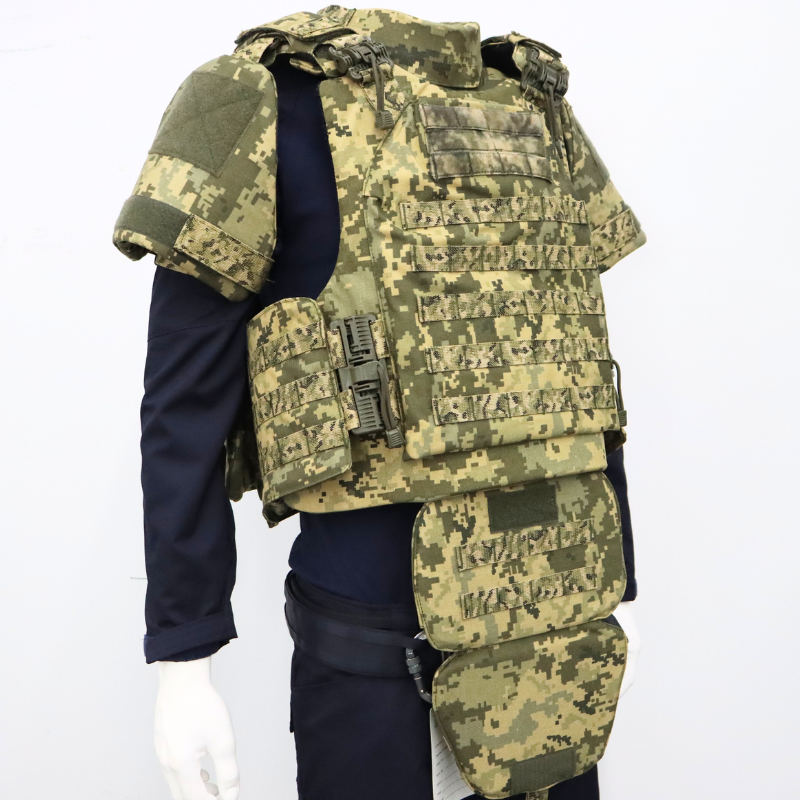
For decades, aramid fibers represented the golden baseline of personal protection. Materials like Kevlar saved countless lives and established modern survivability standards. However, traditional aramid solutions are inherently dense and heavy. They also absorb moisture readily. Sweat or environmental water can degrade their ballistic efficiency over time. Operators wearing thick aramid panels often felt as though they wore heavy, wet blankets during summer deployments.
Ultra-High-Molecular-Weight Polyethylene (UHMWPE) represents the modern standard. The science behind a UHMWPE Vest relies on incredibly long, aligned polymer chains. These chains transfer and disperse kinetic energy exceptionally well. When a projectile strikes the material, the aligned molecules stretch and absorb the impact over a wide area. This chemical structure delivers superior energy dispersion at a fraction of traditional weight. You gain higher protection profiles while shedding significant pounds.
Rifle-rated protection requires hard plates. Legacy systems relied on flat, heavy steel plates, causing dangerous spalling and extreme discomfort. Today, engineers utilize ceramic strike faces backed by composite materials. Multi-curve designs hug the human torso naturally. These lightweight composite plates integrate perfectly into soft armor carriers. They stop armor-piercing rounds without the extreme bulk of traditional metals.
Decision-makers must compare areal density to evaluate true advancements. Areal density measures the weight per square foot of a ballistic package. Lower areal density means lighter panels for the same threat level. We provide a transparent framework below to illustrate how different materials stack up against specific threat profiles.
Material Category | Primary Application | Areal Density Profile | Moisture Retention |
|---|---|---|---|
Standard Aramid (Legacy) | Level II / IIIA Soft Panels | High (1.0 - 1.3 lbs/sq ft) | High (Requires sealing) |
Advanced UHMWPE | Level IIIA Soft / Hard Plates | Low (0.7 - 0.9 lbs/sq ft) | Extremely Low (Waterproof) |
Steel (AR500) | Level III / III+ Hard Plates | Extremely High (8.0+ lbs/plate) | None (Prone to rust) |
Ceramic/UHMWPE Composite | Level III / IV Hard Plates | Medium (4.0 - 5.5 lbs/plate) | Low |
Lighter materials alone do not guarantee better mobility. A poorly designed carrier made of space-age materials will still restrict your movement. Weight distribution proves just as critical as raw weight reduction. If a carrier hangs entirely from your shoulders, it causes neck strain and nerve pinching. Ergonomic designs distribute the load evenly across the torso, shoulders, and hips.
Adaptive fit systems separate average gear from elite equipment. Human lungs expand significantly during intense physical exertion. Static, rigid straps crush the ribcage and restrict breathing. Modern Tactical Body Armour utilizes dynamic cummerbunds featuring elastic or bungee cord articulation. These systems expand seamlessly with your respiratory cycle. Laser-cut MOLLE systems reduce the bulk of traditional nylon webbing, keeping the overall profile slick and snag-free.
Heat dissipation remains a major operational hurdle. Body heat trapped against the torso causes rapid core temperature elevation. This leads directly to heat exhaustion and dehydration. Top-tier carriers integrate active thermal management features. Spacer mesh creates physical standoff channels between the armor and the body. These channels allow ambient air to flow through, pulling heat away. Moisture-wicking antimicrobial liners actively draw sweat away from the skin, preventing chafing and odor buildup.
Measure while seated: The bottom edge of the front panel must sit just above the duty belt when sitting down.
Check respiratory expansion: Secure the cummerbund tightly, then take a deep breath. It should stretch, not constrict.
Assess shoulder freedom: Raise your arms fully overhead. The armholes should not dig into your armpits.
Coverage profiles dictate weapon manipulation. Standard cut armor provides maximum lateral coverage but often restricts the deltoid muscles. This makes shouldering a rifle clumsy and slow. Shooter or swimmer cuts feature aggressive angles around the shoulders and armholes. While they slightly reduce upper chest coverage, they grant total freedom to the arms. You can push out a handgun or lock a rifle stock into your shoulder pocket without fighting thick nylon edges.
No mobility enhancement justifies failing standard ballistic parameters. The National Institute of Justice (NIJ) sets rigid compliance requirements for a reason. Ballistic panels must stop specific calibers consistently. Furthermore, they must prevent lethal blunt force trauma. Backface signature (BFS) limits dictate how deeply the armor can deform into the wearer's body upon impact. Extremely thin panels might stop a bullet but still crush ribs if they fail BFS limits. Always demand NIJ-certified lab results.
Authoritative manufacturers do not rely on subjective comfort claims. They utilize quantified mobility testing frameworks to prove their ergonomic designs. Time-to-target drills measure exactly how fast an operator can draw and fire accurately while wearing the gear. VO2 max expenditure tests track oxygen consumption on treadmills. These clinical tests prove mathematically that well-designed gear requires less metabolic energy to carry.
We must maintain a balanced, skeptical view of environmental degradation realities. Lightweight polymers perform miracles, but they have distinct limitations. Specific UHMWPE variants exhibit thermal sensitivities. Leaving them in a car trunk parked in the desert summer can degrade the polymer structure over time. Additionally, prolonged compression under heavy weights can warp soft panels. Agencies must manage these limitations actively over the standard 5-year lifecycle. Proper storage protocols are absolutely essential for maintaining material integrity.
Procuring advanced Lightweight Armour carries a premium upfront cost. However, decision-makers must reframe this expense against long-term operational returns. Cheap, heavy gear leads to frequent medical leaves, chronic back injuries, and expensive worker's compensation claims. Investing in premium ergonomics drastically reduces these medical liabilities. Higher operational readiness and prolonged career longevity offset the initial purchase price rapidly.
Sizing protocol risks derail many procurement programs. The lightest material in the world cannot compensate for an ill-fitting carrier. A vest that rides too high exposes the lower abdomen. A vest that rides too low pushes into the duty belt, causing the front panel to choke the wearer when seated. Agencies must measure each individual operator. Avoid generic bulk ordering based on t-shirt sizes. Custom fitment ensures the protective panels actually cover the vital organs.
Effective vendor due diligence separates reliable partners from marketing hype. Use a strict checklist before finalizing any contract:
Demand Independent Lab Reports: Never accept in-house testing as the sole proof of compliance. Request recent NIJ certification letters.
Verify Liability Insurance: Ensure the manufacturer carries substantial product liability insurance specifically for ballistic products.
Evaluate Warranty Terms: Confirm the 5-year ballistic warranty covers environmental delamination.
Demand Trial Periods: Request sample units for your operators to wear during defensive tactics training before committing to bulk procurement.
The next steps involve defining a clear pathway to a pilot program. Select a cross-section of your team, including different body types and operational roles. Issue the evaluation units and have them run standard qualification courses. Gather their direct feedback on heat retention, shoulder mobility, and respiratory comfort. Field testing provides the ultimate validation before widespread implementation.
Prioritizing mobility and comfort is no longer a compromise on safety; it is an active, aggressive enhancement of tactical effectiveness. Weight reduction directly limits biomechanical fatigue, preserves cognitive clarity, and ensures rapid reaction times in crisis scenarios. By transitioning from legacy aramid systems to advanced UHMWPE and composite solutions, agencies provide a distinct tactical advantage to their personnel.
We strongly advise buyers to prioritize a holistic evaluation approach. Do not look solely at the price tag or the weight on a scale. Combine strict NIJ certification requirements with an analysis of advanced material integration. Follow up with rigorous end-user wear testing in realistic environments. True survivability happens at the intersection of ballistic performance and human ergonomics.
Do not let outdated equipment dictate your operational limits. Consult with a specialized armor professional today to map your specific threat profiles. They will help you identify the appropriate lightweight solutions tailored to your daily mission requirements.
A: Yes, modern UHMWPE vests match or exceed traditional durability. While raw polyethylene is sensitive to extreme heat, reputable manufacturers seal the ballistic packages inside waterproof, UV-resistant encapsulation. This protects the material from moisture, sunlight, and friction. As long as users follow proper storage protocols, these vests easily fulfill their standard 5-year warranties without losing protective integrity.
A: Modern materials offer significant savings. Upgrading from legacy Level IIIA aramid to advanced UHMWPE saves roughly 20% to 30% in soft armor weight. For hard plates, moving from steel to multi-curve ceramic composites can reduce weight by up to 50% per plate, shaving 6 to 8 pounds off a Level IV tactical loadout.
A: No, provided the armor is NIJ-certified. Modern composites use highly aligned molecular structures to disperse kinetic energy laterally across the panel rather than allowing it to push inward. Engineers perfectly balance thinness and stiffness to ensure these lighter materials still meet the strict 44mm backface signature limits required by safety standards.
A: The cut directly dictates arm and shoulder freedom. Standard full-coverage cuts protect the upper chest but often block the deltoids. Active shooter or swimmer cuts feature deeper angles around the armholes. This reduction in corner material allows operators to press their arms forward naturally and lock rifle stocks tightly into their shoulders.


